
Across the world, a growing body of research shows that investing in women and girls is not only a matter of equity but also a powerful driver of economic growth. Studies from institutions such as the World Bank, UN Women, and the International Monetary Fund consistently demonstrate that when girls are able to complete their education, economies expand, poverty declines, and future earnings increase. At the same time, increasing women’s participation in the workforce and in decision-making roles has been shown to boost productivity, strengthen governance, and contribute directly to national growth.
In Sierra Leone, however, significant barriers remain. UNICEF reports that approximately 30 percent of women in Sierra Leone are married before the age of 18, and access to quality education, retention, and completion of school continue to be major challenges for many girls. These barriers limit opportunities for women and girls and hinder the country’s social and economic development. Strengthening women-led organizations is one important way to address these challenges by supporting local leaders who are advancing education, protecting women’s rights, and creating opportunities within their communities.
A Commitment to Local Leadership
Since its founding in 2001, Healey International Relief Foundation (HIRF) has been committed to supporting women. From providing vocational training in the aftermath of the civil war to strengthening the capacity of frontline health workers today, HIRF has consistently worked to elevate women’s voices and strengthen their place in society.
Building on this commitment, HIRF is proud to be part of a Comic Relief–funded initiative focused on strengthening three women-led organizations in Sierra Leone. The three project partners — Uman Tok, Every Woman Sierra Leone, and Berny’s Hope Foundation — are each led by women who work every day to promote economic opportunity, protect women and children, and strengthen social equity. Supporting these organizations is an investment in the communities they serve. Backed by a three-year grant from Comic Relief, the project is designed to strengthen locally rooted leadership and support community-driven change.
Josephine Garnem, Executive Director, HIRF said of the effort, “Healey International Relief Foundation is proud to support these remarkable organizations and is deeply grateful to Comic Relief for sharing our commitment to strengthening small organizations doing great and much-needed work to drive meaningful change.”
Meet the Partners


Building the Foundation: 2025 Workshops
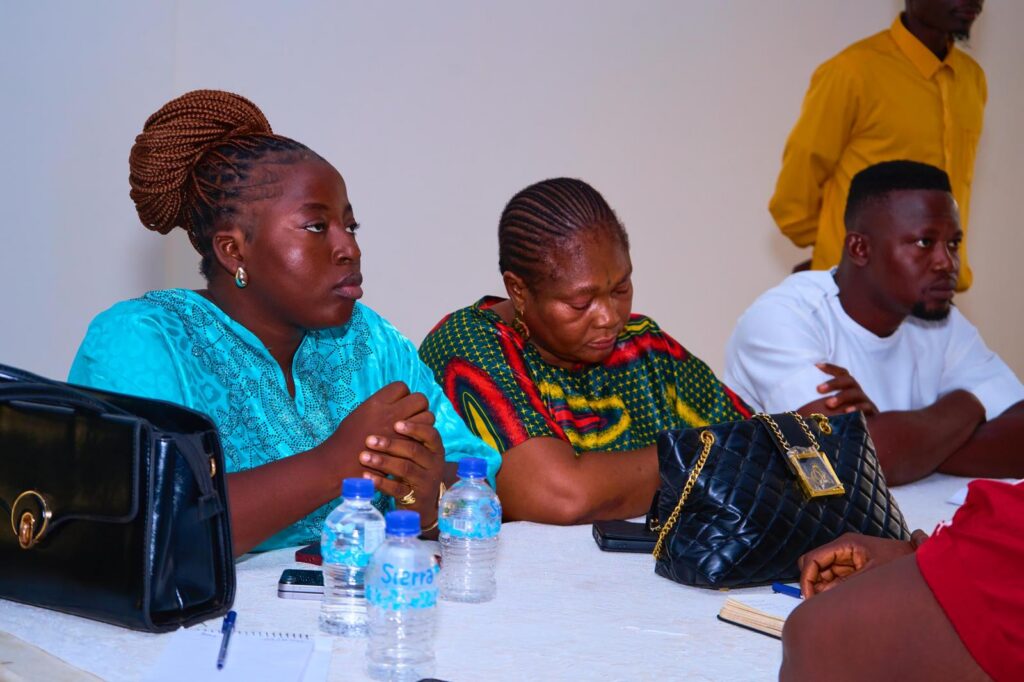
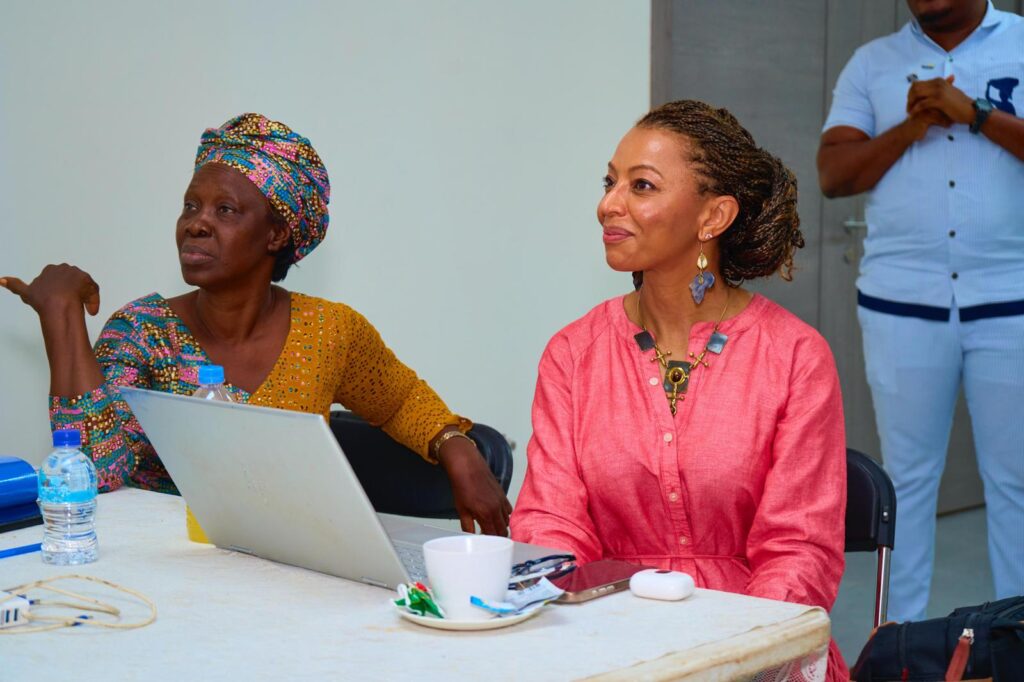
The first workshop, held in January 2025, marked the official launch of the Comic Relief capacity-strengthening initiative.
Expert facilitators Omega Tawonezvi and Alfred Halim (Esq.) led a week-long session focused on foundational organizational development, equipping leaders and staff with practical tools for long-term sustainability.
“The facilitators were highly engaging and knowledgeable, making the learning experience both enjoyable and insightful. I learned so much in this one week. I am extremely grateful for this opportunity,” said Mariama Mbaimba, Executive Director, Every Woman Sierra Leone.
The training covered a range of key topics designed to strengthen organizational capacity, including NGO registration and compliance, strategic planning and governance, and human resource management. Participants worked to clarify organizational roles, align goals, and strengthen accountability, while also refining mission and vision statements to better articulate purpose and guide actionable strategies. Additional sessions focused on social media and ethical communication, including content creation using Canva, privacy policies, and data protection. The training also emphasized policy development as a critical tool for building transparency and strengthening trust within the communities these organizations support.
Gibrill Martin Sheku Contenh, from Uman Tok noted, “I feel more confident after attending this workshop, and I look forward to applying what I’ve learned to improve my work.”
A Continuous, Not One-Off, Approach
In late June, a three-day training workshop was held for the executive leadership of the three organizations. Expert-led sessions were held on financial management, accounting and budgeting, procurement training, auditing, and bank account management. The workshop included interactive discussions, and practical hands-on activities. Discussing the value of the training, Janet Kallon, Auditor-General, Berny’s Hope Foundation shared, “Over the past days we’ve learned a great deal about budgeting, how to prepare a budget, especially when it comes to donor budgeting.”

The workshops also addressed one of the most essential responsibilities for any organization working with vulnerable populations. Ensuring strong safeguarding practices that protect individuals, build community trust, and uphold the highest standards of accountability and care is at the heart of effective development work. That is why a dedicated safeguarding workshop was convened in October and facilitated in partnership with GOAL. The session addressed critical issues including sexual harassment and exploitation, and equipped participants with practical de-escalation skills to protect the people they serve.
Participants engaged in interactive modules designed to build confidence, recognize red flags, and respond effectively to safeguarding concerns. At the conclusion, a workshop participant remarked, “I feel more confident in my ability to identify and address safeguarding concerns.”

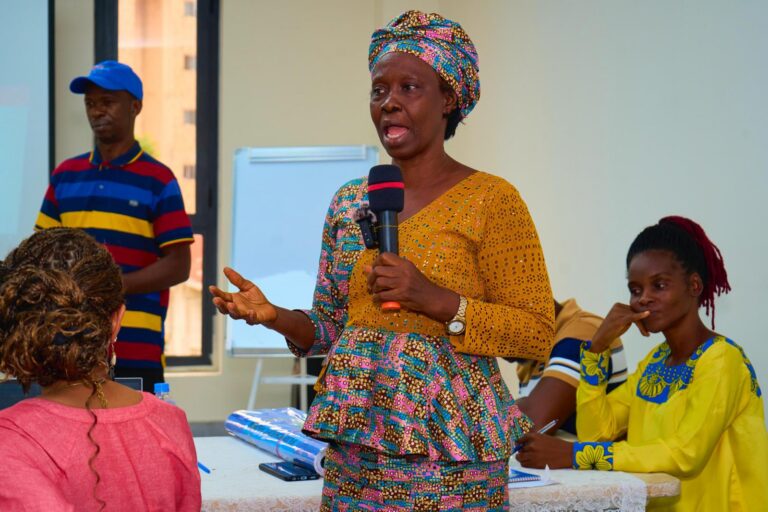
Organizations agreed that the workshops had significantly strengthened their organizations. By the end of 2025, all three organizations reported:
- Developing safeguarding, human resource and financial policies
- Refining their mission and vision statements aligned to organizational purpose
- Strengthening online presence — including TikTok, Facebook, and WhatsApp channels
- Building and implementing skills in strategic planning, governance, and leadership
Specifically, regarding their online presence Betrice Tholley from Every Woman Sierra Leone said, “We’ve increased our online presence. Before this, we had a page, but it wasn’t working. Since the training, we now have a TikTok page, a Facebook page, and a WhatsApp channel where we share links.”
HIRF’s approach to capacity strengthening is intentional and continuous. Between formal workshops, project consultant Alfred Navo and the broader HIRF team maintained regular engagement with all three organizations, providing follow-up support, mentoring, and technical assistance. Alfred explained, “This isn’t ad hoc or one-off training, it’s continuous engagement. We want to see them grow from where they were at the start of the project to a point where, by the end, they are ready to go after projects, ready to write strong proposals, and in a position to manage those projects in line with contemporary donor guidelines.”
Reflecting on the 2025 workshops Executive Director of Uman Tok Juliet Rhoman noted, “The workshops and topics covered will be instrumental in helping us achieve our long-term goals. We are excited for the upcoming training sessions, which will further enhance our capacity and impact.”
2026 Trainings Build on Strong Foundation
Building on the strong foundation established in 2025, the first workshop of 2026 was held in January. Sessions at this workshop included sharpening mission and vision statements, project management for small non-government organizations, and exercises on roles and responsibilities. Additional sessions were held on advocacy, fundraising, and leadership. These sessions enhanced operational capacity and sustainability skills that the three organizations will need to advance their work empowering women.
Explaining the purpose of the workshop, lead trainer Ms. Omega Tawonezvi explained, “We are conducting capacity building training for women-led organizations. Expanding their skill set in operational aspects, in programmatic aspects and also in outreach and branding. We want the community and the world at large to know the services that these organizations are providing.”
HIRF Executive Director, Josephine Garnem noted on the goal of the workshop, “Going back to your offices and implementing it on a day-to-day basis is what we want to see. We want to see you get grants. We want to see you help your communities in the best way possible.”
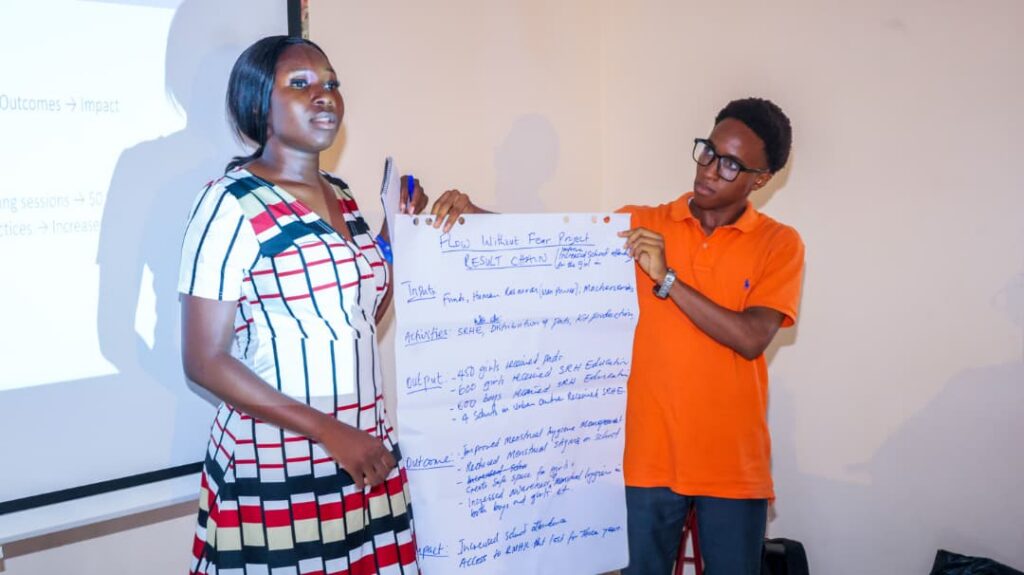
Documenting the impact of projects and programs is essential for developing competitive grant proposals and demonstrating value to donors. Potential funders want to know beyond what you did and to know what impact your activities had. That is why one of the key focuses of the May workshop was Monitoring and Evaluation (M&E) and the tools to collect data. This four-day workshop was an intensive session covering M&E Planning Frameworks such as results chains, developing indicators, and developing a logical framework (Logframe). Other topics were ethics in M&E and included the topics of informed consent, confidentiality, do no harm, and avoiding bias when collecting data. During the workshop, participants expressed appreciation for learning the Kobo Toolbox and how the data collection platform will help them better manage, track, and communicate the impact of their projects and community-based activities. Additional sessions were held on grant writing, safeguarding, and Microsoft Office Skills.
Results, Recognition, and What Comes Next
Significant progress is being reported by the participating organizations. From improved budgeting and financial management practices to stronger teamwork and clearer staff roles and responsibilities, all agree that the workshops and ongoing mentorship are making a meaningful difference.
Praise Mansaray, HIRF Field Coordinator who has supported the project reflected, “Having worked closely with the three organizations that make up this consortium since the commencement of the capacity-building workshops in Year One through Year Two of the grant, I have witnessed remarkable growth and transformation. Through continuous engagement, I have seen these organizations strengthen their structures, improve their operations, and enhance their impact within their communities. Together, we are restructuring, strengthening, and rebuilding resilient women-led organizations across Sierra Leone. Special thanks to Comic Relief for believing in this vision and providing the support that has made this journey possible.”
The spirit of collaboration fostered through this initiative is already evident. Recently, Every Woman Sierra Leone encountered challenges with its Facebook page, and HIRF lead trainer Omega stepped in to provide assistance. EWSL expressed its appreciation, thanking Omega for her “amazing support.”
The success of this project has also been recognized by Comic Relief, which recently approved an additional organizational strengthening grant that will support continued implementation of training activities.
“The women leading Uman Tok, Every Woman Sierra Leone, and Berny’s Hope Foundation were already doing remarkable work before this initiative began. What this partnership has given them is the tools, the confidence, and the connections to do even more. With continued training, mentorship, and the support of Comic Relief through 2027, these organizations are not just growing — they are becoming the kind of institutions that will strengthen communities in Sierra Leone for generations to come,” noted Ms. Garnem.