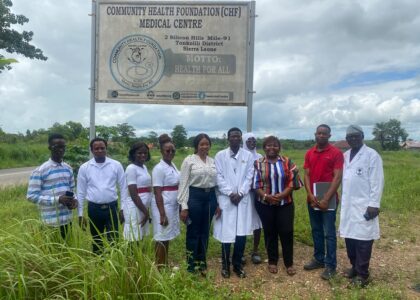

The rain was falling, as it does on most August days in Sierra Leone, but that did not dampen the enthusiasm of the Community Health Workers (CHWs) in Bombali District as they returned to Holy Spirit Hospital for refresher training on epilepsy.
Since their initial training in February, the CHWs have been putting what they learned into practice, visiting communities, identifying and referring people with possible epilepsy, and raising awareness to reduce the fear, misconceptions and stigma that often surround the condition.
Community Health Workers Reflect on Project Impact
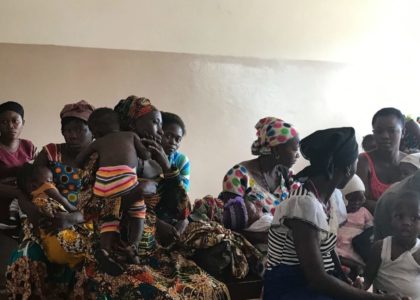
The refresher workshop provided an opportunity for CHWs to discuss their experiences, reinforce key skills, and share what they have encountered in their communities. One CHW based at Makama Facility in Makeni shared the story of a young girl whose father said she had been “falling” since she was very small. Over the years, the family had taken her to different herbalists and spent a great deal of money trying to find help. Although the girl had also been seen at Loreto Health Services and given medication that helped control her seizures, her mother strongly believed the condition was caused by witchcraft. The CHW spoke with the family about
epilepsy, encouraged the father to continue taking his daughter to Loreto, and reinforced the importance of taking her medication consistently.
Recently, the father contacted the CHW to report that his daughter had continued taking her medication and was no longer falling to the ground as she had before. Follow-up to encourage medication adherence is a core component of the project and helps families understand that epilepsy is a medical condition that, in most cases, can be effectively managed, allowing people living with epilepsy to lead full and active lives.
Epilepsy in Sierra Leone
Epilepsy remains one of the most misunderstood neurological conditions in Sierra Leone. Although effective treatment is available, misconceptions can delay diagnosis, discourage people from seeking treatment, and contribute to discrimination.
This is why the project is working to increase epilepsy awareness, strengthen community-level recognition and referral, and improve access to appropriate treatment and support. Funded by the Rotary Foundation and implemented in partnership by Healey International Relief Foundation (HIRF), the ROW Foundation and the Epilepsy Association of Sierra Leone (EASL), this project is helping establish a model for expanding epilepsy education and care across the country.
The initiative began with a week-long training in Bombali District in February, where nine Community Health Workers received intensive instruction in epilepsy recognition, seizure first aid, treatment and medication adherence, community education, and referral pathways. The program continued in June with additional week-long trainings in Bo and Pujehun districts, where nine CHWs were trained in Bo and 13 in Pujehun.
The training emphasized practical skills that could immediately be used in the communities where CHWs live and work. Across Bombali, Bo and Pujehun districts, 31 CHWs were trained. Average knowledge assessment scores increased from 73.2 percent before training to 91.9 percent afterward, with 29 of the 31 participants improving their scores. Following the training, all CHWs reported feeling confident providing seizure first aid.
Ken Koskela, President of the ROW Foundation and project partner was able to attend the training in Pujehun and told the assembled CHWs that “The role that you are playing is one of the most important roles in the larger epilepsy treatment gap. You might be working with ten people or 5 people but you are having a huge impact of those people and you are contributing to closing the global health epilepsy treatment gap.”

Reaching Children Through Schools
Reducing epilepsy stigma also requires reaching beyond the health system. As part of the project, the Epilepsy Association of Sierra Leone conducted epilepsy awareness activities in schools.
Children living with epilepsy can face exclusion and misunderstanding from both classmates and adults. Teacher training and school awareness therefore became an important part of the project. Teachers learned how to recognize seizures, provide first aid, support learners with epilepsy, and create more inclusive classroom environments.
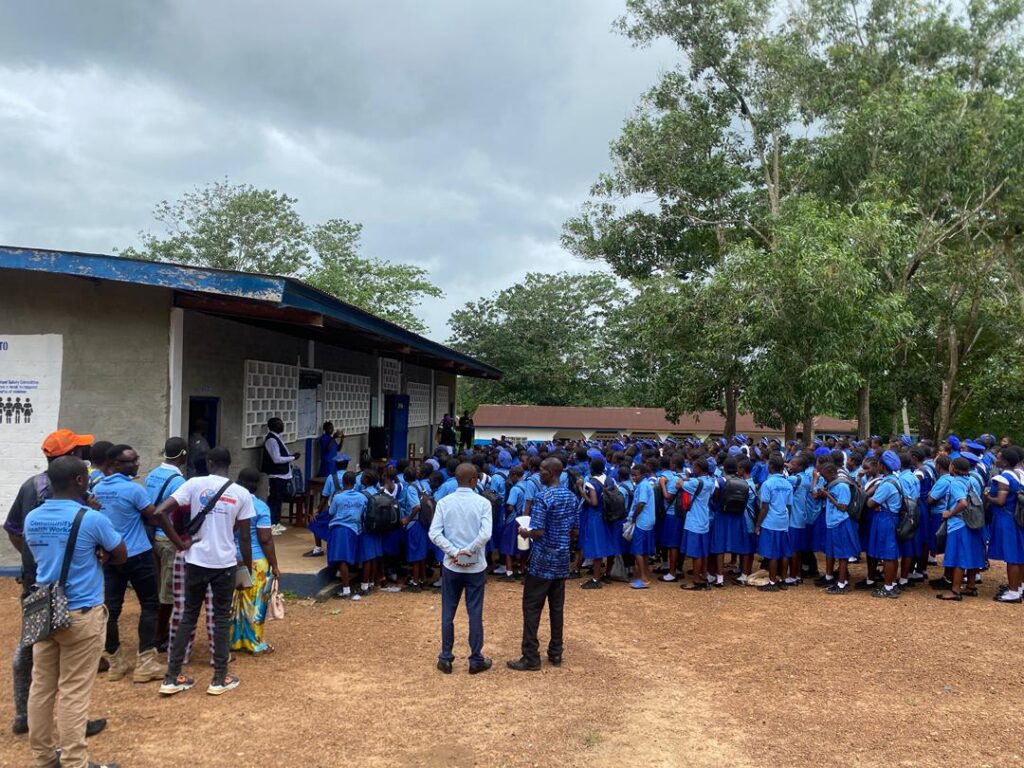
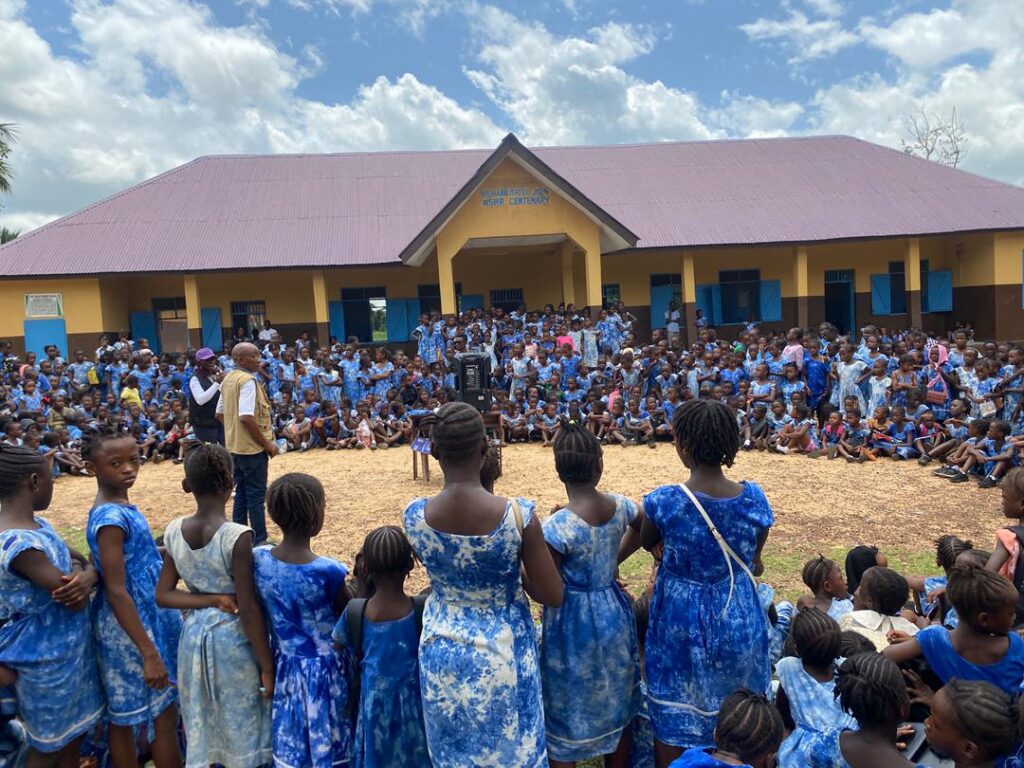
Across the three districts, 60 teachers were trained and epilepsy awareness activities reached 32 schools. Teacher knowledge scores increased from an average of 42 percent before training to 88 percent afterward. Fifty-seven of the 60 teachers reported greater confidence managing seizures, while 55 expressed a willingness to include learners with epilepsy in their classrooms.
Through school and community outreach activities, more than 18,600 pupils, teachers, administrators, parents and community members were reached with information about epilepsy.
One moment during a school awareness session in Bo demonstrated why this work matters. After a discussion challenging common myths and explaining that epilepsy is a medical condition, not a curse or something to be feared, a student stood in front of her classmates and shared that she herself was living with epilepsy. For many students, it was the first time they had heard a classmate speak openly about the condition.
That moment represented something difficult to capture in numbers: a change in how epilepsy is understood and how people living with the condition are treated.
“We were happy to be part of this important project, as we know that awareness makes an enormous difference in reducing the stigma surrounding epilepsy. We began this work in 1999, and over the years have seen how important it is to reach people with accurate information early. Stigma and misconceptions can begin at a young age, which is why working in schools is so critical. We want to change the narrative from the start and give children a different understanding of epilepsy. One based on facts, acceptance and compassion.
Young people in particular are very receptive and accepting once they learn the facts. Being part of this project has allowed EASL to reach more schools, including schools in remote communities where the need for epilepsy education and awareness is especially great,” explained Max Bangura, Executive Director, Epilepsy Association of Sierra Leone.
Moving From Training to Continued Learning
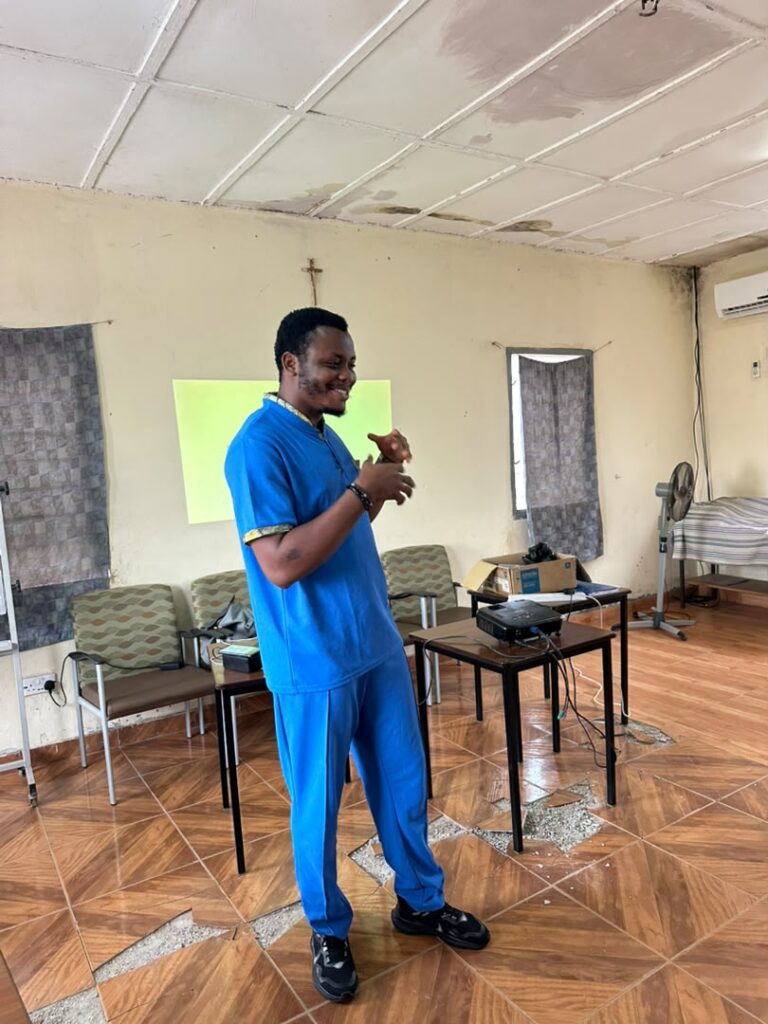
The real test of any training comes after participants leave the classroom. Continued support, additional learning and opportunities to share experiences are essential if CHWs are to keep putting their skills into practice. That is why refresher training has been an important next step in the project.
Following the Makeni refresher training in August, similar trainings and stakeholder meetings were held in Bo and Pujehun. Reflecting on the value of these refresher sessions, Dr. Emmanuel, lead trainer from Medics for Epilepsy Support and Treatment noted, “Epilepsy is more than a medical condition; many patients also live with stigma, misunderstanding, and barriers to accessing care. As a medical doctor, that is one of the reasons I am passionate about raising awareness, because education can change lives. This refresher training has been especially meaningful because it highlighted both the challenges we face, such as limited drug availability and reaching patients in remote communities, and the incredible commitment of the community health workers on the frontlines. What inspired me most was their passion and willingness to keep serving despite these difficulties. Seeing that dedication gives me hope that through continued training, collaboration and community engagement, we can improve the lives of people living with epilepsy.”
At sessions in Bo and Pujehun CHWs also shared additional examples of the impact of their work. One CHW from Bo described attending a community event where he saw a man having a seizure. He stepped in to explain to those gathered that the seizure was related to a medical condition and that the man needed appropriate care. He encouraged the family to seek treatment, and the man was subsequently taken to Bo Government Hospital, where he received care and was started on epilepsy medication.
The experience demonstrated the important role CHWs can play in helping communities respond appropriately to seizures, addressing misconceptions about epilepsy, and connecting people with treatment.
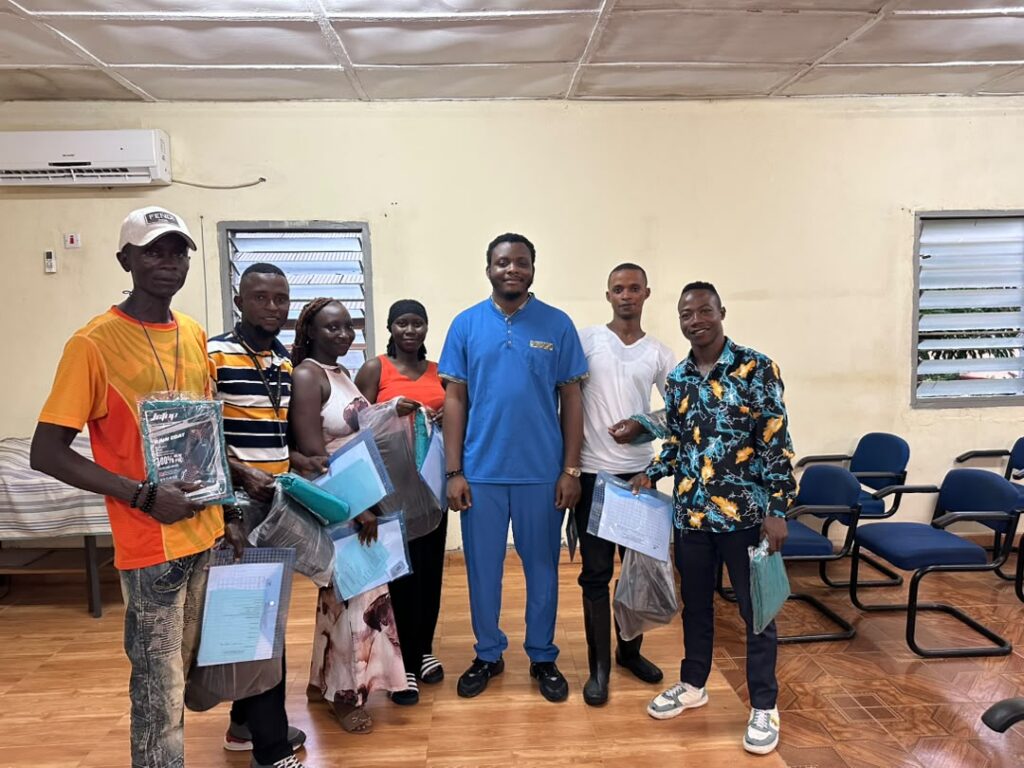
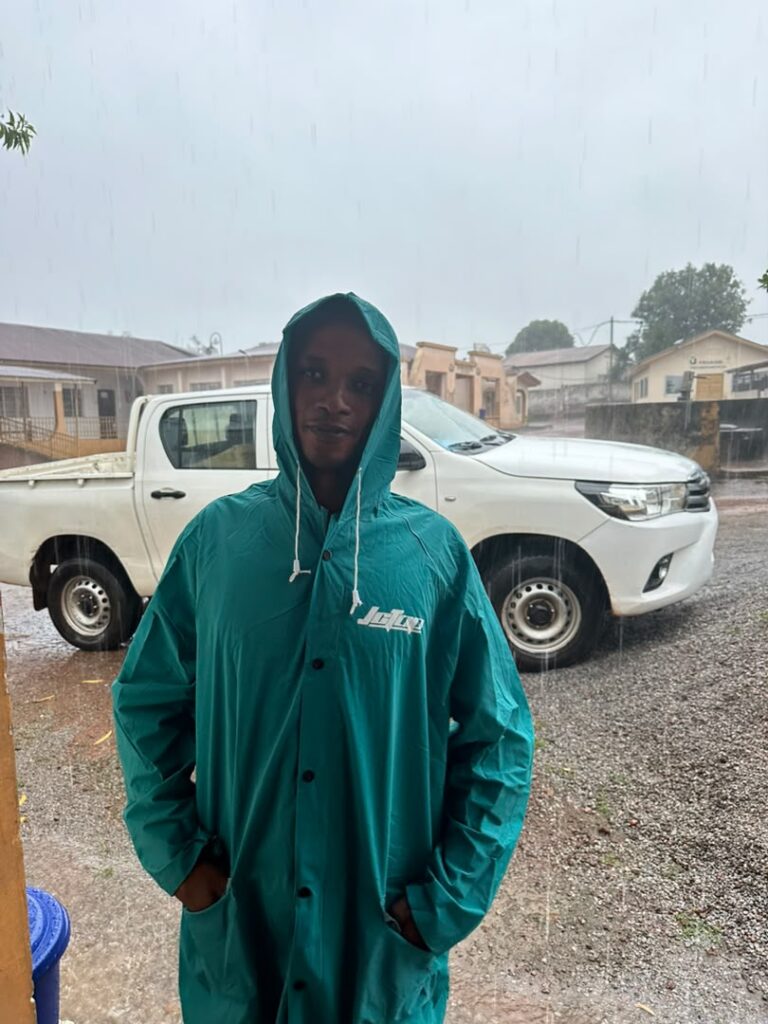
This critical outreach does not stop for the weather. CHWs continue making home visits and follow-up calls throughout Sierra Leone’s rainy season, often walking long distances on unpaved roads to reach isolated families. To support this effort safely as the rains continue, all CHWs were provided with boots and raincoats during the August training workshops.
Next Steps
The refresher trainings in all three districts also provided an opportunity to introduce the HIRF Digital Epilepsy Training Platform, a new tool designed to support continued learning and expand access to epilepsy education.
With funding from Helping Children Worldwide, materials developed by HIRF and its partners from the original training have been transformed into a digital training program available in both English and Krio. The platform includes training modules and knowledge assessments that health workers can revisit after in-person workshops have ended. CHWs are reviewing the prototype and providing feedback on its content, language, clarity and usability so that the platform can be refined based on the experiences of the people who will use it.
This approach reflects one of the most important lessons from the project: training cannot be a one-time activity. Continued mentorship, refresher education, monitoring and community engagement are essential if improvements in knowledge are to translate into lasting improvements in epilepsy care.
There is still much work to do. Stigma remains deeply rooted in some communities, and access to anti-seizure medicines can be inconsistent at some health facilities.
“The support from the Rotary Foundation and Naperville Sunrise Rotary Club has been nothing short of life-changing for people living with epilepsy in Sierra Leone. Their investment is helping us strengthen community-based care, reduce stigma, improve access to treatment, and create lasting opportunities for people with epilepsy to lead healthier and more productive lives,” said Josephine Garnem, Executive Director of HIRF.
“While this funding is a critical catalyst for change, the impact would not be possible without our Community Health Workers, who are the backbone of our efforts. They are everyday heroes who selflessly devote their time, energy, and often personal sacrifices to reach vulnerable populations and ensure that no one is left behind. Their unwavering commitment to serving communities and connecting families to essential resources is inspiring and deeply appreciated. Together, this partnership is helping us build a brighter future for people living with epilepsy across Sierra Leone.”