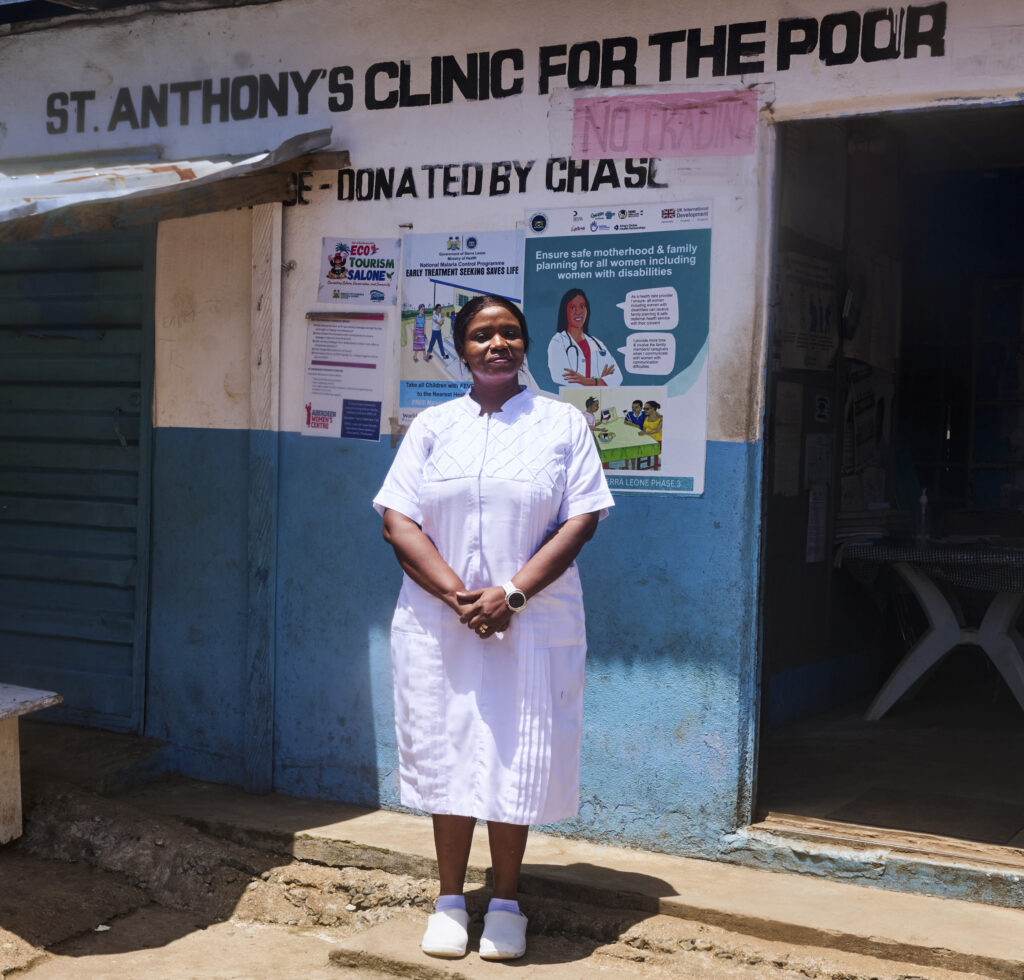
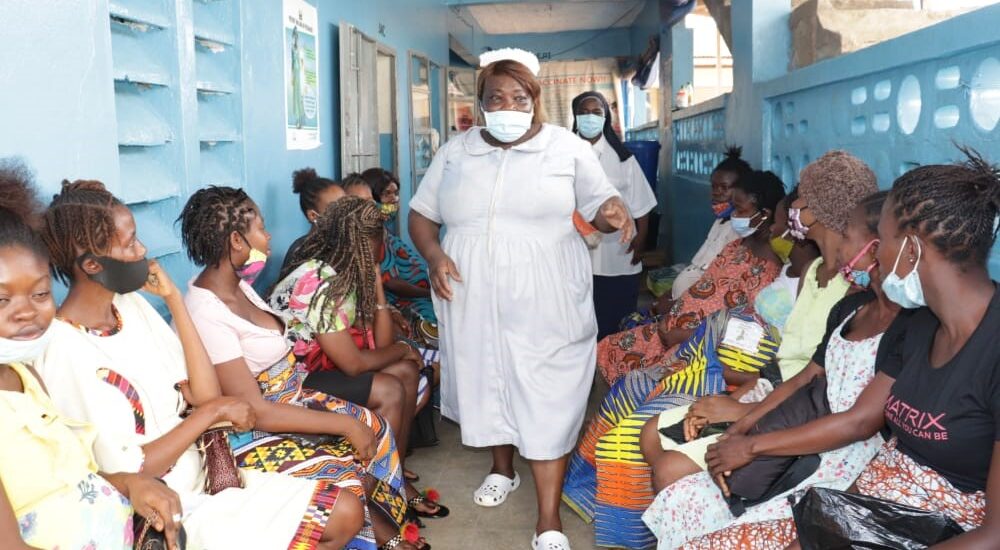
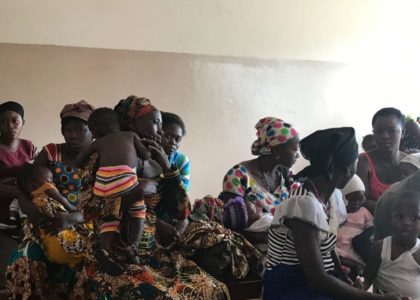
Each morning when Anita Ganda arrives at St. Anthony’s Clinic in the Brookfield area of Freetown, Sierra Leone, a crowd of women and children is already waiting for care. Throughout the day, the clinic remains busy as healthcare workers conduct antenatal visits, immunize children and deliver babies.
As the Nursing Officer in Charge, Anita oversees a facility serving approximately 32,900 people across 16 communities. Many families face significant economic hardship, making access to affordable healthcare especially important.
“Every time I visit St. Anthony’s, I am impressed by how Anita and her team provide quality, compassionate healthcare to so many women and children who come through their doors each day,” says Josephine Garnem, Executive Director of HIRF. “Our goal is to help ensure they have the medicines and training they need to provide the best possible care for their patients.”
Meeting the Healthcare Needs of a Growing Community
Anita - Photo Courtesy of International Health Partners
St. Anthony’s Clinic was originally established during Sierra Leone’s civil war to serve poor and vulnerable families seeking assistance from the local church. Over the years, the clinic expanded its services to meet growing community needs, including the addition of maternity care.
Today, the clinic provides antenatal services, deliveries, postnatal care and treatment for a wide range of illnesses. According to Anita, malaria, acute respiratory infections and hypertension are among the most common conditions treated.
Maternal health is a particularly important part of the clinic’s work. Many pregnant women arrive with hypertension, anemia or infections that require careful monitoring and treatment. While the clinic’s dedicated staff work to meet these needs, maintaining an adequate supply of essential medicines remains an ongoing challenge. “We don’t always have enough medications,” Anita says.
Strengthening Care Through Medicines and Nutrition
To help address these challenges, HIRF provides essential medicines to St. Anthony’s Clinic through donations from its pharmaceutical partners, MAP International, International Health Partners (IHP) and Catholic Medical Mission Board (CMMB).
These donations include antibiotics and other medicines used to treat common illnesses and support maternal and child healthcare. Having essential medicines available helps the clinic respond to patients’ needs while reducing the financial burden on vulnerable families.
HIRF also supports maternal and child nutrition through its partnership with Vitamin Angels, providing prenatal multivitamins for pregnant women, along with vitamin A supplements and albendazole to support children’s health.Together, these donations help strengthen the clinic’s ability to provide both preventive care and treatment.
For Anita, donated medicines are especially valuable because they help the clinic maintain access to quality treatment.
“Most times we prefer the donated drugs,” she says.
Building the Skills of Healthcare Workers
Medicines are only one part of strengthening healthcare. Equally important is ensuring that frontline healthcare workers have the knowledge and skills to manage complications and provide safe, effective care.
Anita recently participated in Helping Mothers Survive and Essential Newborn Care training programs supported by HIRF.
“The training has had a lot of impact,” she says.
Through these programs, Anita and other healthcare workers strengthened their clinical skills, learned new techniques and improved their ability to respond to complications during childbirth and newborn care. One important result has been the clinic’s increased ability to manage cases that previously required referral to larger hospitals.
“Before, we did a lot of referrals,” Anita explains. “Now we can do more ourselves.”
Anita is also sharing her knowledge with colleagues through in-service and on-the-job training, extending the benefits beyond those who attended the original sessions.
Making a Difference for Mothers and Babies
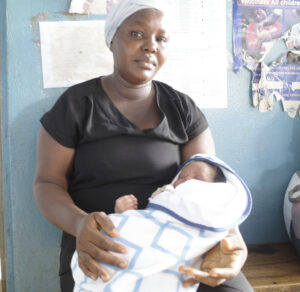
Kadiatu - Photo Courtesy of International Health Partners
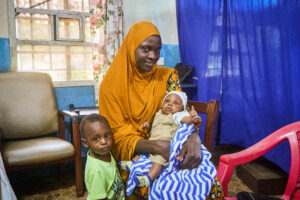
Mariatu - Photo Courtesy of International Health Partners
For the women and families who rely on St. Anthony’s, access to skilled healthcare workers and essential medicines can make an enormous difference.
Mariatu, a mother of two, received antenatal care at St. Anthony’s throughout her second pregnancy before returning to deliver her son, Yusuf. Her experience was very different from the birth of her first child elsewhere.
“The care was so good, and I really enjoyed it,” she recalls.
Following her delivery, Mariatu received medicines and support free of charge, allowing her to focus on recovering and caring for her newborn.
Another mother, Kadiatu, returned to the clinic just days after delivering her second son for a postnatal check-up. The visit allowed healthcare workers to monitor her recovery and assess her baby’s health.
These experiences reflect the importance of accessible maternity services that extend from pregnancy through childbirth and into the weeks following delivery.
A Continued Committment to Strengthening Care
Every day, Anita and her team demonstrate what dedicated frontline healthcare workers can accomplish.
For HIRF, supporting St. Anthony’s means helping ensure that the clinic has both the medicines and the trained healthcare workers needed to serve its community.
Through continued partnerships, medicine donations, nutrition support and clinical training, HIRF is helping strengthen the services that thousands of women, children and families depend upon.
And for Anita, each new day brings another opportunity to provide the care her community needs.
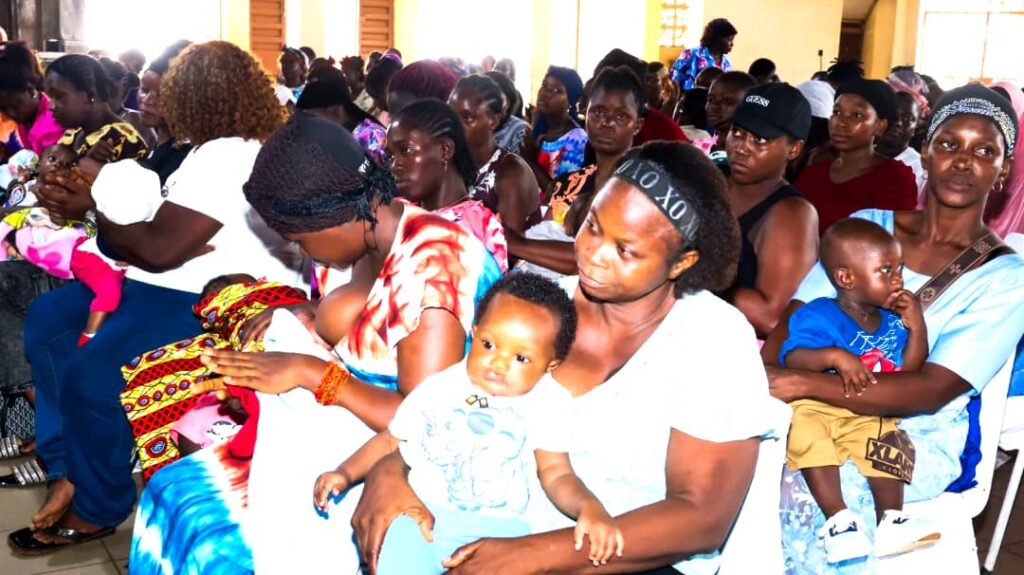
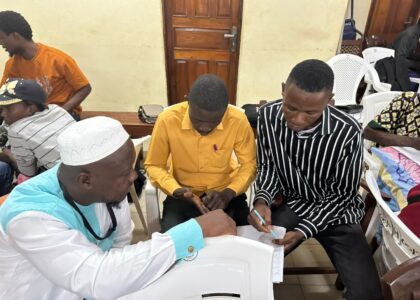
A recent baby show at St. Anthony's, supported by HIRF, recognized those mothers and fathers who prioritized antenatal visits.