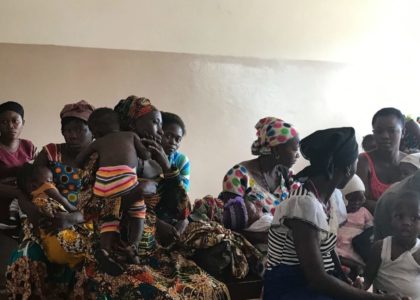

For many families in Sierra Leone, a simple infection can quickly become life-threatening when medicines are out of reach. A pregnant woman in labor may develop a serious infection, yet the antibiotics needed for her treatment are not always available.
That is why Healey International Relief Foundation (HIRF) works to ensure that essential medicines and supplies reach the communities that need them most. Last year alone, HIRF delivered over 30 metric tons of life-saving medicines and supplies providing nearly 122,000 antibiotic treatments and more than 100,000 treatments to support maternal health.
A Vital Partnership: HIRF and International Health Partners Deliver Over 16,000 Antibiotic Treatments
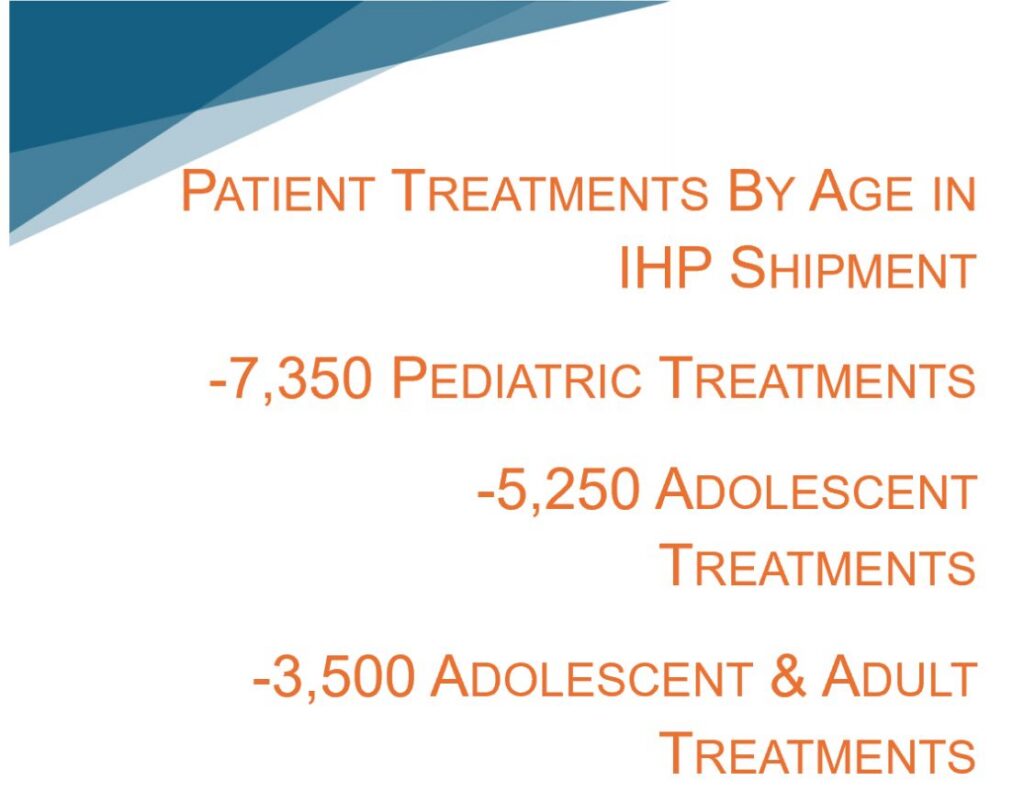
Building on this progress, we are pleased to share that a critical shipment of medicines has just arrived in Sierra Leone. This delivery supports ongoing efforts to reduce the country’s persistently high maternal and child mortality rates. The shipment is the result of a partnership between HIRF and International Health Partners (IHP), a UK-based organization dedicated to increasing access to essential medicines worldwide. The shipment contains over 16,000 patient treatments of Co-amoxiclav, a broad-spectrum antibiotic used to treat serious bacterial infections. If left untreated, these infections can be fatal, particularly for young children and postpartum mothers.
“Access to essential medicines is a cornerstone of safe motherhood and child survival,” said Executive Director Josephine Garnem. “Through partnerships like these with IHP, we are strengthening health systems and maintaining the dignity of the people we serve by ensuring access to high-quality, long-dated medicines. No mother or child should lose their life to a preventable infection because essential treatment is out of reach.”
Supporting the Ministry of Health's 300 Days of Activism for the Triple Zero
This shipment arrives at a pivotal moment to support government efforts to reduce maternal and child mortality. In early March, the Sierra Leone Ministry of Health launched its nationwide 300 Days of Activism for the Triple Zero. This is a campaign built on three commitments: Zero Preventable Maternal Deaths, Zero Preventable Infant Deaths, and Zero Zero-Dose Children.
Medicines on this shipment will be distributed across Sierra Leone to both government, faith-based and community health facilities and will help frontline health workers respond quickly to infections and save lives. While maternal and child mortality statistics have declined, Sierra Leone still has among the highest rates in the world.
“We are appreciative of the efforts of Healey International Relief Foundation in support of the 300 Days of Activism. Antibiotics are among the hardest and most needed medicines for this effort to be successful and will definitely save lives,” noted Dr. Moses Batema, Chief Pharmacist, Ministry of Health.

Essential Health Packs Support Community Outreach
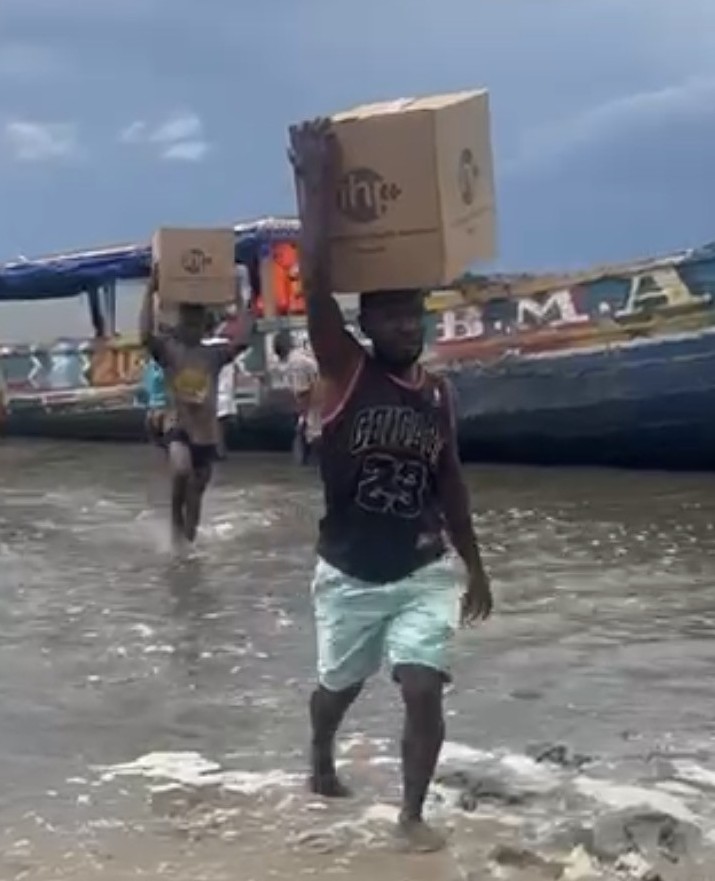
The shipment also contained 36 Essential Health Packs. Each pack contains a range of essential medicines: Naproxen for pain and inflammation relief; Ibuprofen for anti-inflammatory and fever management; Paracetamol for fever reduction, critical for pediatric care; and Amoxicillin, a first-line antibiotic for a wide range of infections in mothers and children. Each pack contains enough medicine to support approximately 800 patients.
These packs extend the reach of this shipment into hard-to-reach communities and where essential medicines are often in short supply. At a recent outreach on Bonthe Island, Fr. Rowland from St. Joseph’s Clinic explained, “The medicines contained in the Essential Health Packs are not seen on this island. When we use these we are going to have awesome results for our patients.”
Capacity Building Providing Life-Saving Skills to Nurses and Midwives
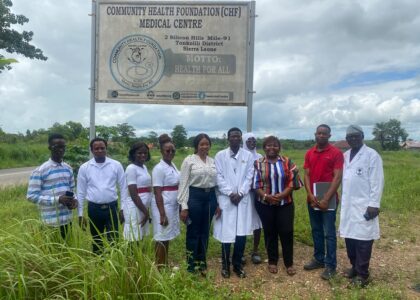
The combined power of training for nurses and midwives, alongside the provision of medicines, can drive community-wide impact. HIRF and our partners have been providing ongoing training to help frontline health workers better manage complications in childbirth and newborn care. Studies show that skilled midwives could avert more than 80% of all maternal deaths, stillbirths and neonatal deaths. In 2024, the Inaugural Maternal and Newborn Care Conference was held in Bo District and in 2025, the second conference was held in Kenema.
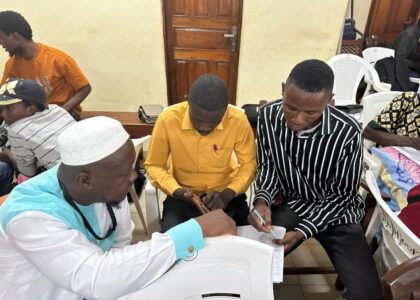
This year in January training was held in Tonkolili District and a second training held in May back in Bo. Through these conferences over 250 nurses and midwives have received training in Essential Newborn Care and Helping Mothers Survive. Many have not had follow-up training in years so getting training on the most up-to-date procedures is important to ensure quality care for mothers and babies.
A critical part of this effort is sustainability and expanding the reach of the program. At each conference, the project supports the development of “Rising Trainers” who can step into leadership, teaching, and mentorship roles. This training-of-trainers approach creates a cascade effect, allowing knowledge and best practices to continue spreading to additional healthcare workers over time. By embedding expertise within local facilities and empowering providers to train others, the project promotes sustainability and long-term independence while strengthening the healthcare workforce nationwide.
As one participant shared, “It can help me teach my colleagues to save lives and take care of the mothers during emergencies and complications.”
Looking Ahead: Our Commitment to the Women and Children of Sierra Leone
For more than two decades, HIRF has been committed to improving the health and well-being of women and children in Sierra Leone. Through partnerships with organizations such as IHP, we help ensure the availability of essential medicines, while our focus on capacity building strengthens the quality of care provided. Together, these efforts ensure that more mothers and children have access to the life-saving support they need—now and in the future.