
For more than two decades, HIRF has worked alongside health facilities across Sierra Leone to strengthen their ability to provide quality care. That work takes many forms, from infrastructure and equipment to medicines, training and long-term partnerships.
In this new series, we are taking a closer look at individual facilities, the healthcare workers who keep them running, and the communities they serve.
Monsignor Daniel Sullivan Clinic

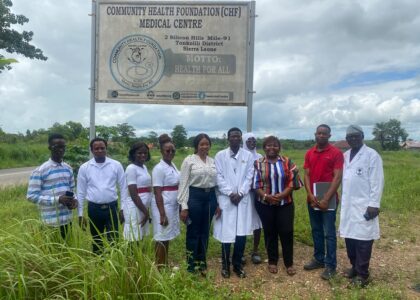
Our first stop is Monsignor Daniel Sullivan Clinic, a facility with which HIRF has a long history. In 2015, HIRF built the clinic to help expand access to healthcare for people living in the surrounding area. Today, the clinic serves approximately 25 communities across a wide rural area, and HIRF continues to build on that early investment. Our support has evolved alongside the needs of the facility—from helping establish the clinic to strengthening access to medicines, supplies and other resources that help its healthcare workers serve their communities.
During a recent visit with our partner IHP, we had the opportunity to hear directly from Mariama, the Community Health Officer in charge of the clinic, about the challenges her team faces and the difference that reliable access to essential medicines can make.
A busy clinic serving a wide community
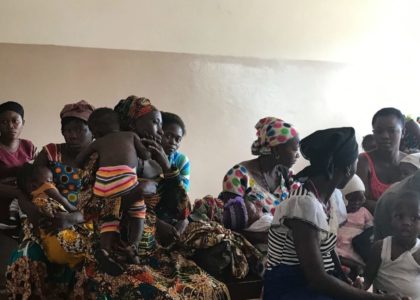
The clinic provides care across a broad range of health needs, from antenatal services to treatment for common illnesses affecting children and adults.
The numbers from just three recent months offer a glimpse into the volume of care being provided. Between May and July, women made 454 new and follow-up antenatal care visits. During the same period, the clinic treated children under five for illnesses including 60 cases of diarrhea, 28 skin infections and seven cases of worm infestation.
For families living in surrounding rural communities, having a functioning health facility nearby can make an enormous difference. But reaching the clinic is only part of the equation. Patients also need to be able to receive the treatment they need once they arrive.
In the past, medicine shortages created another barrier for patients seeking care at Sullivan Clinic.
“Before, patients would come and we would have to send them away to look for medicines,” Mariam explains.
For families who had already traveled to reach the clinic, being given a prescription and told to find medicine elsewhere could mean additional transportation costs and expenses they could not afford. Some patients were unable to purchase the medicines they needed, while others simply did not return.
Today, Mariam sees an important difference.
“We now have the medicines in the facility,” she says.
Having essential medicines available on site means patients can more often receive diagnosis and treatment in one place, reducing delays and helping remove one of the barriers that can prevent people from completing their care.
The Role of HIRF's Essential Medicines and Supply Program

Access to medicines is an important part of HIRF’s broader work to strengthen healthcare delivery in Sierra Leone.
Through our Gift-in-Kind program, HIRF works with pharmaceutical companies and partners, including IHP, to bring critical medicines and medical supplies into Sierra Leone and distribute them to health facilities where they are needed.
For facilities like Sullivan Clinic, those donations help strengthen their ability to respond to the everyday health needs of the communities they serve.
Mariama has seen another effect as medicine availability has improved. “More people are coming to the clinic now than before,” she explains.
For Mariama, that increase reflects something especially important: trust. When people believe that a health facility can provide the care and treatment they need, they are more likely to seek care when they become sick.
She also recognizes the partners who help make those medicines available.
“I want to give them a very big thank you,” Mariama says. “We promise to use the medicines properly and make sure they reach the right patients.”
Strengthening Care Over Time
The experience of Sullivan Clinic illustrates why strengthening healthcare systems requires more than any one intervention.
A clinic needs trained healthcare workers. It needs functioning infrastructure and equipment. It needs reliable medicines and supplies. HIRF’s long relationship with Monsignor Daniel Sullivan Clinic reflects that broader approach—supporting a facility over time and helping it become better equipped to serve the communities that depend on it.
For Mariama, the progress is clear.
“Before there were many challenges,” she says. “Now things are improving.”
For the thousands of people served by Sullivan Clinic, those improvements can mean something very practical: greater confidence that when they make the journey to the clinic, care and treatment will be there when they need it.