
Getting from Bonthe Island to Bo requires a boat crossing followed by several hours on rough roads. For Fr. Rowland Okoro, who runs St. Joseph’s Clinic on Bonthe Island, the journey was well worth it.
St. Joseph’s Clinic is one of the facilities participating in the Noncommunicable Disease Impact Initiative (NCDI), launched by Catholic Medical Mission Board (CMMB) with Healey International Relief Foundation (HIRF) serving as the implementing partner in Sierra Leone.
“Sometimes we feel like we the people of Bonthe are forgotten because it is a hard to reach region which makes travelling out of Bonthe Island so challenging,” having understood the impact of the NCDI launch Fr. Rowland continued, “now, we need to be able to diagnose and provide medicines to our patients consistently, and this project will allow us to do that. I was not going to miss this opportunity.”
First piloted in Kenya and subsequently expanded to Sierra Leone and Nigeria, NCDI aims to strengthen primary healthcare systems by improving access to affordable, reliable medicines for hypertension and diabetes. Through healthcare worker training and stronger systems for managing medicines and patient care, the initiative seeks to ensure that people living with chronic diseases receive the consistent treatment they need.
Strengthening Skills and Improving Patient Care
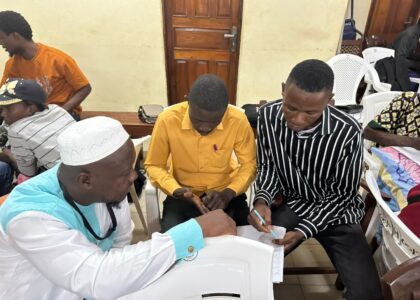
Fr. Rowland was among 28 health workers trained in Bo and Makeni in September. The training covered essential aspects of hypertension and diabetes care, along with data reporting, inventory management, and pharmacovigilance.
The Sierra Leone pilot includes 10 healthcare facilities across nine districts, serving both urban and rural communities. Some, like St. Joseph’s Clinic, face significant geographic barriers to accessing training, medicines, and other healthcare resources.
Addressing a Growing Burden of Chronic Disease
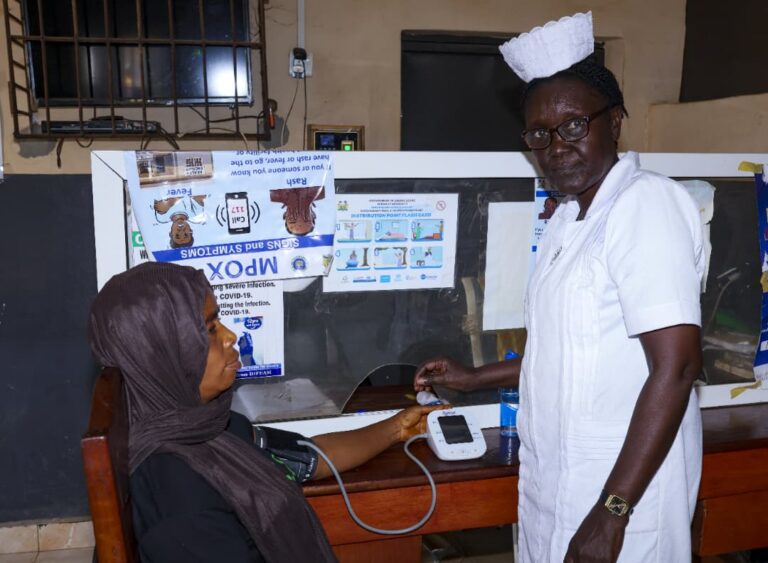
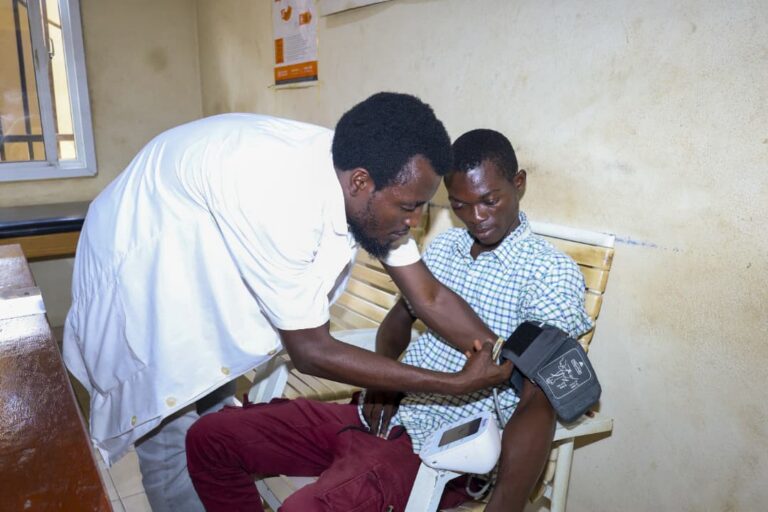
According to the World Bank, roughly 30% of adults in Sierra Leone live with hypertension, and diabetes prevalence doubled between 2017 and 2024. At HIRF-supported facilities, data show that 37% of pregnant women have hypertension, posing significant risks to both mothers and babies. Unlike an infection treated in a week, these conditions need steady care for years, which makes building long-term systems for NCD care critical.
“We are pleased to have been selected by CMMB to implement this initiative in Sierra Leone and to contribute to the broader research effort examining what works in delivering sustainable NCD care,” said Josephine Garnem, Executive Director of HIRF. “As noncommunicable diseases become a growing burden, health facilities need the resources to provide consistent, long-term care. The lessons learned will help inform how chronic diseases are treated not only in Sierra Leone but in other countries as well.”
What the Baseline Assessment Revealed
Before the training began, HIRF conducted a baseline assessment at all 10 healthcare facilities to better understand their capacity to diagnose, treat, and manage hypertension and diabetes. While every facility already provides care for both conditions, the assessments identified important gaps in clinical guidelines, access to medicines, diagnostic equipment, and patient monitoring.
Only two of the 10 facilities had Ministry of Health treatment guidelines readily available. Four reported running out of hypertension medicines every month, while three experienced monthly stockouts of diabetes medicines. And although all facilities had basic screening equipment, only four had access to HbA1c testing, which measures average blood sugar levels over time, and four had electrocardiogram equipment to assess heart function. Perhaps most concerning, only half of the facilities could provide data on the proportion of patients whose hypertension or diabetes was under control, underscoring the need for stronger patient monitoring and reporting systems.
In-Person Training Held
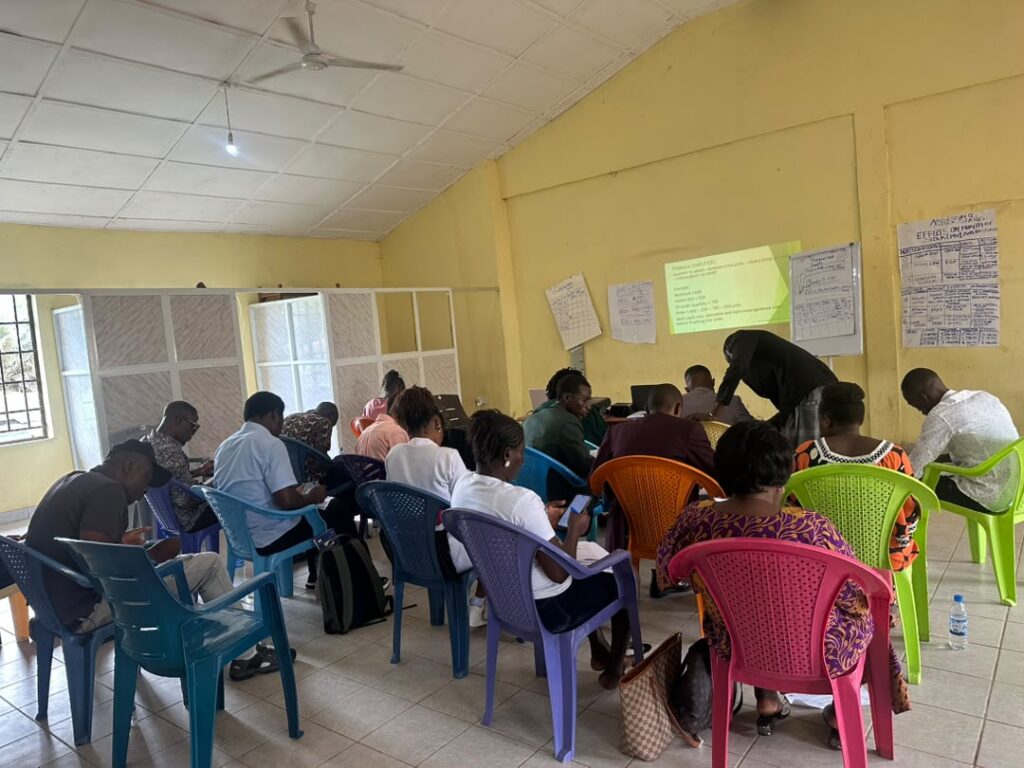
These findings helped shape the training curriculum, which focused on strengthening both clinical knowledge and the systems needed to provide consistent, quality care. The first training took place at Holy Spirit Hospital in Makeni, bringing together 12 health workers from three facilities. Led by pharmacist Sanpha Tejan, Dr. Christine Williams, and HIRF Field Coordinator Praise Mansaray, the sessions combined technical instruction with practical discussions in which participants shared challenges from their own clinics. The team then traveled to Mercy Hospital in Bo, where Tejan and Praise were joined by Dr. Emmanuel Egwuonwu to train another 16 participants from four facilities. One final training will bring the same curriculum to participating facilities in the Western Area, completing the training phase of the initiative.
The training also produced measurable gains in knowledge. Participants’ average scores rose from about 63% on the pre-training assessment to 87% afterward, demonstrating a stronger understanding of the topics covered.
Dr. Emmanuel, who co-led the training in Bo, said the project comes at an important time, “Hypertension and diabetes are becoming increasingly common in Sierra Leone, but too many people go undiagnosed or struggle to access consistent treatment. By strengthening the skills of healthcare workers and ensuring facilities have the medicines they need, we can help patients manage these conditions before they lead to serious complications.”
Building Sustainable Care and Reliable Medicine Supplies
Beyond the initial training, the initiative is building the systems facilities need to maintain reliable medicine supplies, improve patient monitoring, and sustain services over time. Better collection and management of facility data is central to this: more accurate and accessible information will help healthcare workers, district health teams, and partners track patient outcomes, anticipate medicine needs, and make informed decisions about resources and financing. Continued training throughout the project will help these improvements endure after the project ends.
The next phase introduces a cost-recovery approach designed to help facilities maintain a reliable supply of medicines. CMMB is procuring hypertension and diabetes medicines that participating facilities will use to set up a system for replenishing their own supplies.
Under this model, patients who can afford to pay a small fee for their medicines will do so. Facilities have policies to reduce or waive charges for patients who cannot afford them, helping ensure that cost does not prevent access to care. Revenue collected will be used to purchase replacement medicines, creating a more sustainable supply rather than relying solely on periodic donations.
For patients managing lifelong conditions, this continuity is essential. Whether at St. Joseph’s Clinic on Bonthe Island or another participating facility, the goal is the same, patients should be able to return month after month and find the medicines and care they need.
As he prepared for the long journey back to Bonthe Island, Fr. Rowland said, “This project gives me hope that we can provide the services needed to treat our patients suffering from hypertension and diabetes. The training was very valuable.”