Loreto Health Services in Makeni has been caring for mothers, children, and families in northern Sierra Leone for generations.
Founded by the Sisters of St. Joseph of Cluny in 1956, Loreto began as an under-five clinic providing maternal and child health services. Its work was interrupted by Sierra Leone’s civil war, when the clinic was forced to close.
Rebuilding After the Civil War
When the Sisters returned in 2002, they found the facility destroyed. Rebuilding began in 2006 and was completed in 2008. As Loreto re-established itself after the war, it also expanded its services to respond to the changing health needs of the community.
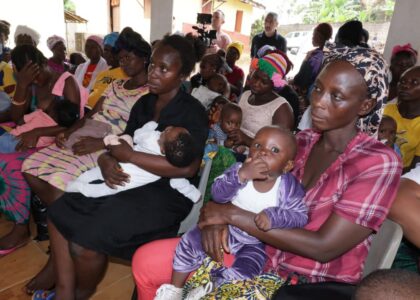
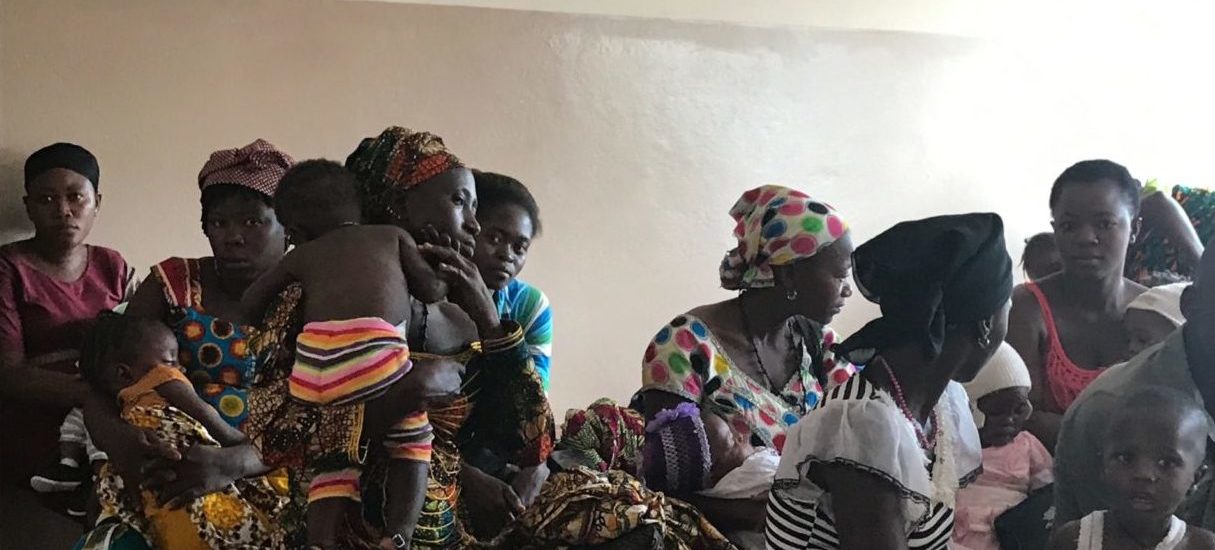
Today, officially known as Loreto Health Services, the facility is owned by the Sisters of St. Joseph of Cluny and operates within the Catholic Diocese of Makeni. It serves more than 25,000 people, with patients traveling from across Sierra Leone and even neighboring Guinea. Loreto treats more than 2,000 patients each month, providing services from maternal and child healthcare to treatment for chronic disease, including epilepsy. Staff in the under-five clinic alone may see between 50 and 80 children in a single day. For more than a decade, HIRF has supported this work by supplying critical medicines and medical supplies, while Loreto’s healthcare staff also participate in HIRF-led capacity-building efforts.
Loreto Health Services’ history is one of resilience, but it is also the story of the dedicated healthcare workers who have sustained it — nurses, midwives, and religious sisters who have made service a central part of their lives.
So let’s meet Sister Victoria, Sister Philomena, and Isahi, and learn more about the people and commitment that make Loreto Health Services such an important part of HIRF’s effort to strengthen the healthcare system in Sierra Leone.
A Calling to Serve
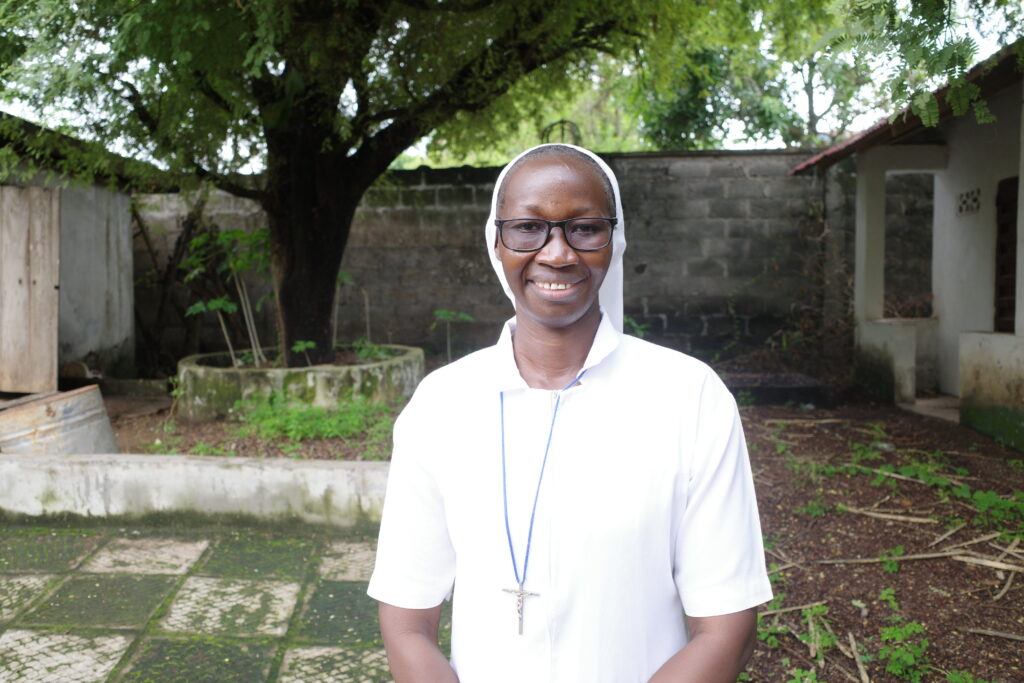
For Sister Victoria, healthcare is more than a profession. It is a calling.
A registered nurse and member of Loreto’s management team, she helps oversee services for some of the most vulnerable people in the community. Her commitment to service began early.
“I have wanted to be a sister since I was six years old,” she says. “I wanted to work for God. I like helping people, and I have always preferred doing something practical rather than simply talking about it.”
That practical commitment to helping others is deeply woven into the culture at Loreto.
Loreto serves people of all ages, but its commitment to those who face the greatest barriers to care remains central.
“We serve everyone,” Sister Victoria explains. “But we especially try to reach those who are less privileged and would otherwise struggle to access healthcare.”
Medicines can be difficult to obtain, and the cost of treatment can place care beyond the reach of some families. Loreto provides free treatment to vulnerable patients, including people with disabilities.
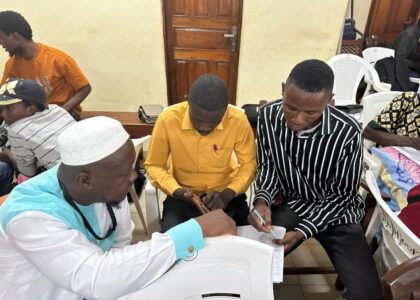
That makes donated medicines especially important. During a recent visit by HIRF partner IHP, critical antibiotics were delivered to Loreto Health Services.
“When I saw the donated medicines arrive, I was very happy,” Sister Victoria says. “These medicines help reduce the burden on the health center because otherwise we have to purchase everything ourselves.”
Those donations do more than fill pharmacy shelves. They help Loreto stretch limited resources and make it possible for more patients to receive the care they need.
Caring for Patients -- and Listening to Them
The same spirit of service can be seen in nurses such as Isahi, who has worked at Loreto for the past three years.
For her, nursing is about more than diagnosing illness or dispensing medicine. It is also about listening.
“I like counselling patients,” she says. “Sometimes people come with problems that are not only medical. When you sit and talk with them, they feel better. Then, together with the medicines, they improve even more.”
Isahi understands firsthand how important access to healthcare can be.
Now expecting her second child, she has experienced Loreto from another perspective, not only as a nurse but also as a patient receiving antenatal care at the same facility where she works.
During the early months of her pregnancy, she experienced dizziness and weakness. She sought care, was assessed by Loreto’s health workers, received micronutrient supplements, and was monitored throughout her pregnancy.
Through HIRF’s partnership with Vitamin Angels, Loreto receives prenatal supplements to support pregnant women as part of its antenatal care services. This support helps ensure that women attending the facility have access to important micronutrients during pregnancy.
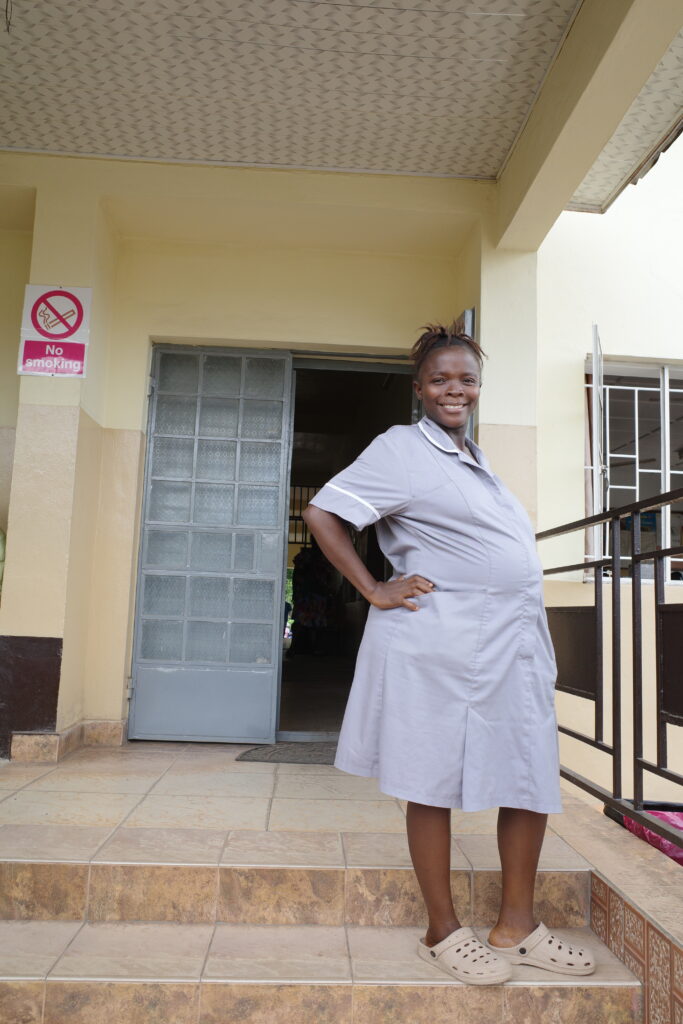
For Isahi, the impact was personal.
“They gave me good care,” she says. “After I started taking the supplements, I began to feel much better.”
Her own experience has strengthened the message she shares with other women: come for antenatal care early.
“If there is any problem, it can be detected early,” she explains.
For Isahi, the strength of a health facility is found not only in medicines or equipment, but in the relationships patients build with the people caring for them.
“Whenever I feel something is wrong, I speak to the midwives,” she says. “They are always there to help me.”
For now, she is focused on staying healthy and preparing for delivery. As both a nurse and an expectant mother, Isahi understands better than most how important access to medicines, antenatal care, and skilled healthcare workers can be.
A Facility People Travel to Reach
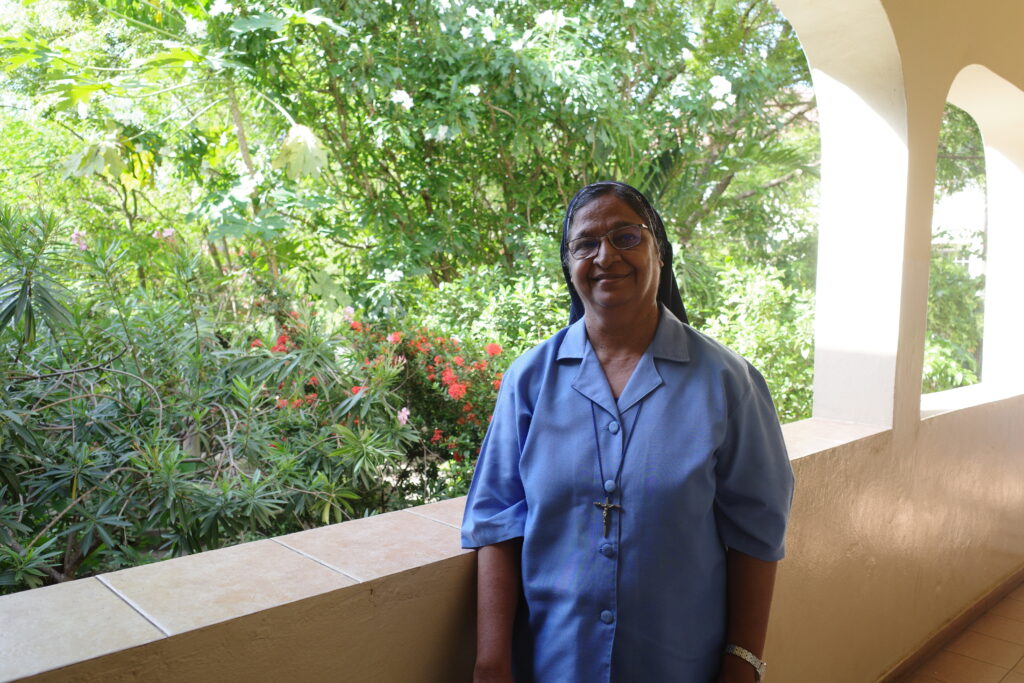
Sister Philomena has spent more than three decades caring for others and now serves as Loreto’s Clinic Leader.
She sees every day how far some patients are willing to travel for care.
This is especially true for people living with epilepsy, who may travel from distant communities because they know treatment is available at Loreto.
“People come from all over because they know they can receive treatment here,” Sister Philomena says.
HIRF has helped support epilepsy care at Loreto through its partnership with the ROW Foundation. Since 2018, that partnership has provided Loreto with epilepsy medicines, strengthening the facility’s ability to offer ongoing treatment to people living with epilepsy.
That support is particularly important because epilepsy medicines can be difficult to obtain consistently. For patients who have already traveled long distances and spent scarce resources on transportation, arriving at a facility only to find that a medicine is unavailable creates an additional hardship.
“Epilepsy medicines are very difficult for us to get,” Sister Philomena explains. “It takes time, and many patients travel long distances and spend a lot of money on transport just to come here for treatment.”
The pressure on the health facility extends beyond chronic disease care. During Sierra Leone’s rainy season, more children become sick and demand for antibiotics and other essential medicines rises.
Yet Loreto remains committed to helping people regardless of their ability to pay.
“We try our best to help patients who cannot pay,” Sister Philomena says. “We do not want people to go without treatment.”
This is what commitment looks like, and demonstrates the impact local health facilities can have on the communities they serve.
HIRF Role in Health Systems Strengthening
“I have visited Loreto Health Services when the facility was filled with mothers and their babies, and I have traveled with the team on their epilepsy outreach visits to remote areas. I am always in awe of the team’s dedication and compassion for every patient, even after hours of seeing patients or hours on the road in challenging conditions. They never falter in the dignity with which they treat their patients,” noted Josephine Garnem, Executive Director, HIRF.
HIRF’s role is to help strengthen that work by connecting facilities such as Loreto with the medicines and health resources they need. HIRF’s partnerships with organizations such as Vitamin Angels, IHP, ROW Foundation, and MAP International help support services at Loreto, from antenatal care for pregnant women to ongoing treatment for people living with epilepsy.
Loreto Health Services has been and continues to be a vital part of the Makeni community. One mother, Fatou (name changed for privacy), who brought her newborn for care, said it best, “The care and support available here are important for both mothers and babies. New mothers need more support, especially medical support.”
The history of Loreto Health Services is much like that of Sierra Leone — resilient and always looking to the future. But its real strength is in its people. Sister Victoria, Sister Philomena, Isahi, and all the staff at Loreto Health Services are always ready to provide care and hope to the community they serve.