
Healey International Relief Foundation (HIRF) was pleased to participate in the Kudissanga Sickle Cell Disease Symposium recently hosted at the University of the District of Columbia in partnership with Howard University. The symposium convened medical researchers, survivors, policymakers, healthcare providers, international embassies, and global health leaders in a shared effort to advance awareness, research, and treatment for sickle cell disease. More importantly, it created space for honest dialogue about the global burden of Sickle Cell Disease (SCD) and the urgent need for coordinated, systems‑level solutions.
A Global Challenge with Local Consequences
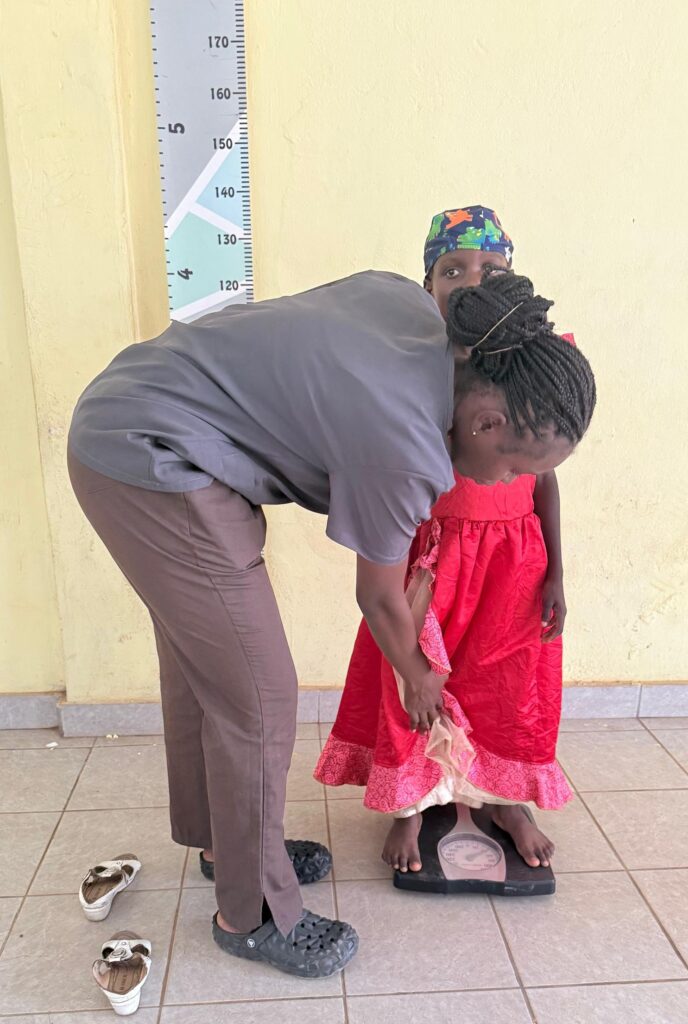
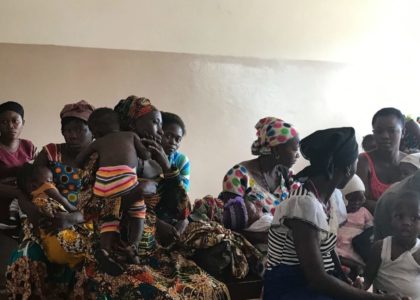
While sickle cell disease affects millions worldwide, its impact is especially severe in low‑resource settings. In Sierra Leone, SCD remains one of the leading causes of childhood morbidity and mortality. Thousands of children are born with the condition, yet many go undiagnosed and untreated due to limited healthcare resources, weak diagnostic capacity, and significant gaps in specialized care.
For many families, diagnosis comes too late. Delayed recognition frequently means that children are only identified after developing life-threatening complications. Gaps in early detection, driven by a lack of a national newborn screening program, insufficient laboratory capacity, and a shortage of trained health workers, disproportionately affects rural and marginalized populations. Together, these challenges carry serious implications for both survival and long-term quality of life.
Yet this burden is not inevitable.
Evidence from across sub‑Saharan Africa demonstrates that early diagnosis followed by timely, low‑cost interventions, including prophylactic antibiotics, appropriate vaccinations, caregiver education, and access to comprehensive clinical care, can dramatically reduce SCD‑related illness and death. The challenge lies not in a lack of solutions, but in ensuring those solutions reach children early and consistently.
Partnerships Driving Change in Bo District
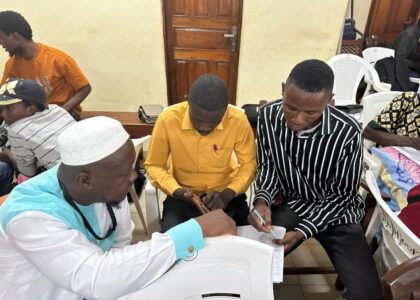
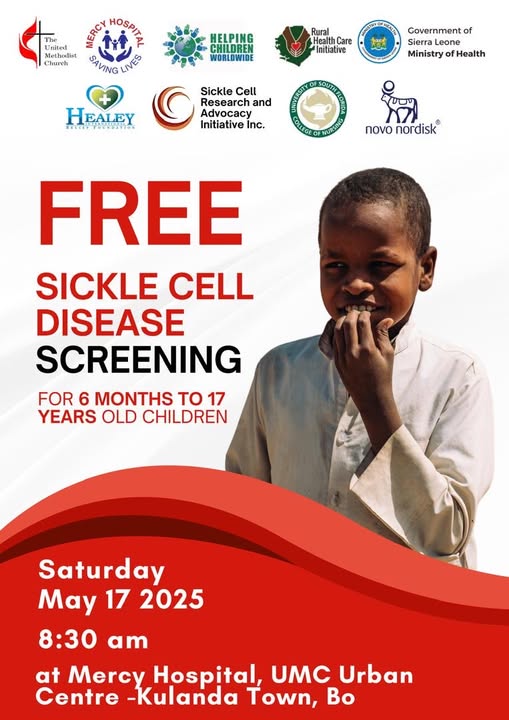
HIRF is working to close these gaps through strong, locally grounded partnerships. In Sierra Leone’s Bo District, HIRF is partnering with Mercy Hospital, Helping Children Worldwide, The United Methodist Church, Rural Health Care Initiative, Sickle Cell Research Advocacy Initiative, and the Sierra Leone Ministry of Health to expand community‑based SCD services.
Through this collaboration, partners are increasing community awareness, offering free sickle cell screenings, and ensuring that children diagnosed with SCD are linked to consistent medical care and long‑term follow‑up. As part of this effort, HIRF is also supplying folic acid, a critical and cost‑effective intervention that helps children with SCD produce healthy red blood cells and reduce complications.
This work reflects a growing commitment to move beyond episodic care and toward sustainable systems that support children and families over the long term.
The Cost of Fragmentation
During the symposium, HIRF Executive Director Josephine Garnem challenged participants to confront a persistent yet often overlooked barrier to progress: fragmentation.
“One of the greatest barriers we face is not simply infrastructure. It is fragmentation. Too often, countries across Africa are confronting the same challenges in isolation. The same shortages. The same policy gaps. The same stigma. The same underinvestment. Yet the burden we carry is shared. Which means the response must also become shared.”
Across the continent, ministries of health, hospitals, researchers, and civil society organizations are grappling with similar constraints, often without formal mechanisms to learn from one another or pool resources. As Josephine emphasized, no single country should have to start from scratch when solutions already exist elsewhere.
“We must begin building collaborative systems of care across African countries – systems that allow us to share research, clinical expertise, screening protocols, training models, procurement strategies, and data. No country should have to reinvent solutions that another has already begun to build.”
African Leadership at the Center
A central theme of Josephine’s remarks was the importance of African leadership in shaping the future of sickle cell care. She underscored the significance of having African ambassadors and representatives present at the symposium, not as symbolic participants, but as essential drivers of change.
“The presence of African ambassadors in this room matters so deeply. Because, to me, the future of sickle cell care in Africa cannot be built only from outside the continent. It must also be championed from within it.”
That leadership, she stressed, must come from African institutions, universities, researchers, and governments willing to invest in their own people. External partnerships are vital—but they are most effective when aligned with locally defined priorities and expertise.
“Africa must not only be the subject of research. Africa must lead the research. Africa must not only receive solutions. Africa must help design them.”
She concluded with a powerful call for unified advocacy at the global level:
“Africa must speak with a stronger collective voice in calling on the World Bank, philanthropic institutions, continental health agencies, and major donors to recognize that chronic disease care is not secondary healthcare. It is foundational healthcare.”
Looking Ahead

The symposium reaffirmed that addressing sickle cell disease requires more than isolated projects. It demands early diagnosis, sustained care, regional collaboration, and leadership rooted within affected communities.
As conversations like this continue, HIRF remains committed to working alongside local and global partners to strengthen systems of care, improve access to timely diagnosis, and ensure that children living with SCD – particularly in Sierra Leone – have the opportunity not just to survive, but to thrive.
Note: We would also like to take this opportunity to extend a heartfelt shout‑out to Dr. James Taylor of Howard University, Dr. Morie Vandy, and the dedicated members of the Mercy Hospital Sickle Cell Clinic steering committee. Their leadership, commitment, and tireless advocacy continue to champion these critical efforts – breaking barriers, strengthening systems of care, and creating pathways to more equitable and sustainable sickle cell services for children and families.