
As we look back on 2025 and step into 2026, we pause to reflect on what has been accomplished and to set our sights on the year ahead.
In 2025, Healey International Relief Foundation (HIRF) continued its commitment to building care that endures. Working alongside trusted partners, our projects demonstrated what is possible when work is grounded in collaboration, local leadership, and long-term investment.
As we move into 2026, we carry forward the progress of the past year while sharpening our focus on the goals and priorities ahead. Our work will center on strengthening systems that support not only clinical care, but also the well-being of women, children, and families, while responding to the broader conditions that shape health and dignity.
Looking Back on 2025
Epilepsy is one of the most misunderstood and stigmatized health conditions in Sierra Leone with an estimated 85,000 individuals suffering from the disease. But, alarmingly, an estimated 80-85% go untreated. Many sufferers are children, and this impacts their attendance at school; others face discrimination and stigmatization from the disease. For those undiagnosed, they and their families wonder what is bringing on the seizures. Behind every number is a life interrupted—yet with proper diagnosis, treatment, and education, epilepsy can be managed.
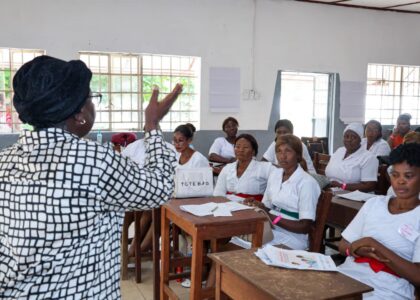
Throughout the year, HIRF advanced maternal and newborn health through the second Maternal and Newborn Care Training Conference in Kenema and refresher trainings across multiple districts. These efforts strengthened clinical skills, reinforced best practices, and contributed to research and knowledge sharing.
Responding to the growing burden of noncommunicable diseases in Sierra Leone, HIRF expanded its work in chronic and neglected conditions, including support for new sickle cell and noncommunicable disease clinics at Mercy Hospital in Bo. Reflecting on the impact of expanded access to care, one guardian noted about the sickle cell clinic, “My child suffered frequent pain crises before the clinic opened. Now, with regular care and medication from Mercy, he hardly falls sick and can play like other children.”
HIRF was also selected to participate in the 2026 pilot of a flagship noncommunicable disease initiative supported by a long-time partner that expands access to treatment for hypertension and diabetes. New funding secured in 2025 will also allow us to deepen our epilepsy work through training of community health workers, community awareness, improved referral pathways, and efforts to reduce stigma.
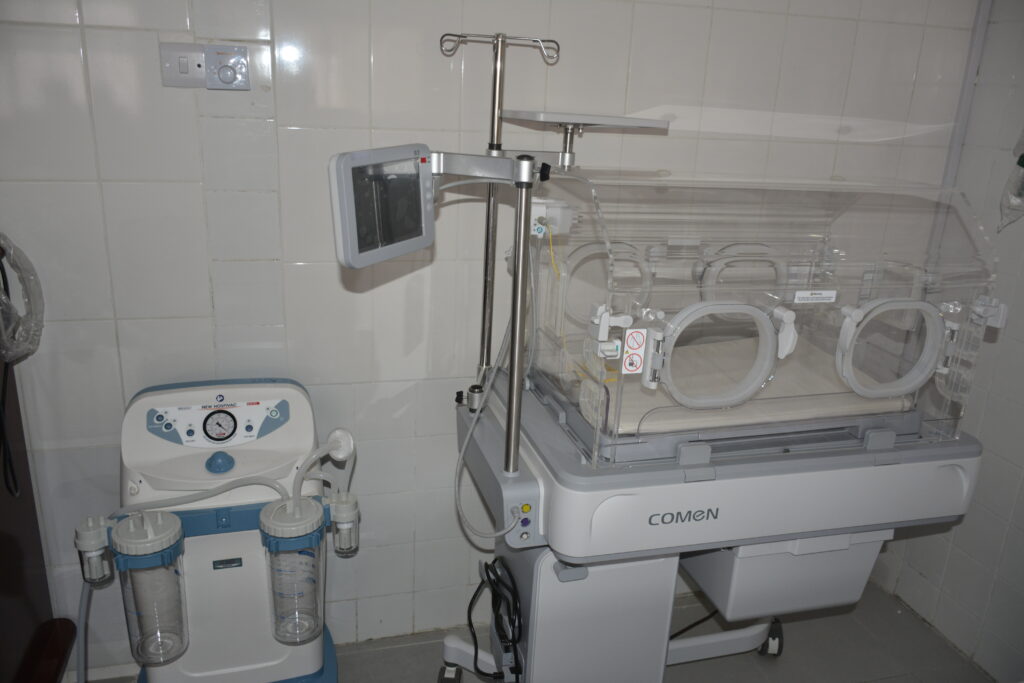
Significant investments were made in facility readiness and critical care. The opening of the Dr. Julia Scott ICU in Makeni marked a major milestone for advanced care in the region, while additional support for sustainable solar power will help ensure uninterrupted services.
Biomedical engineering mentoring and equipment support through our partnership with TRIMEDX Foundation further strengthened the capacity of partner facilities with a visit in November.
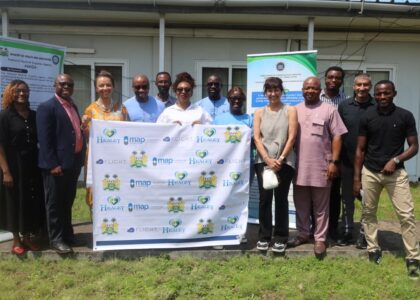
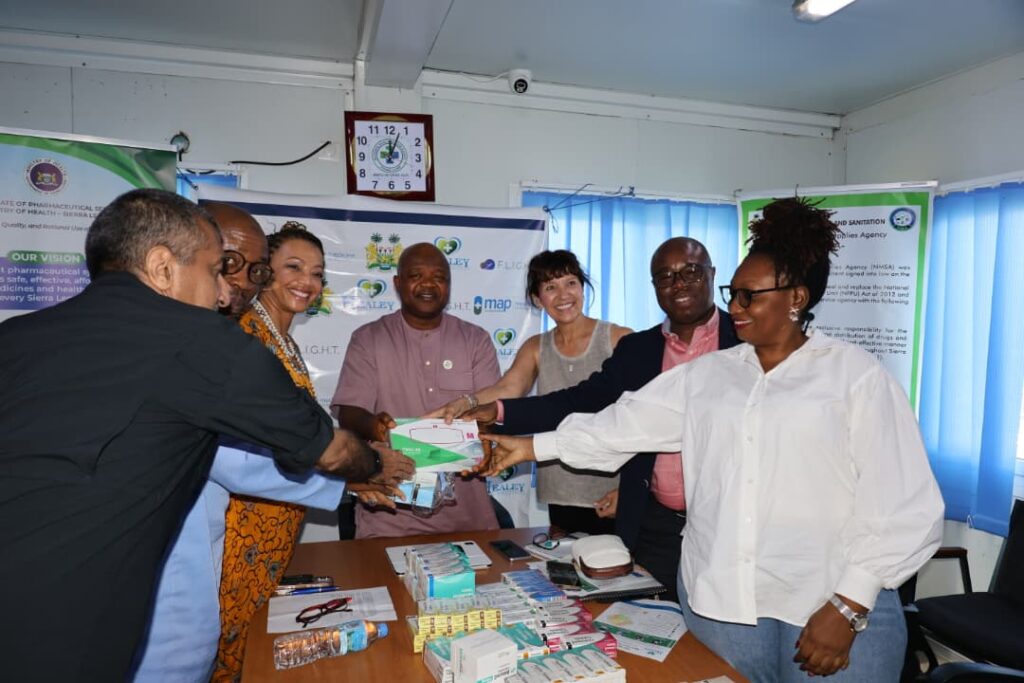
HIRF remained responsive in moments of emergency. During the mpox surge, we worked alongside national authorities–including the Sierra Leone National Public Health Agency and the National Medical Supplies Agency–and partners, Foundation for the Localization and Innovation of Global Health Technologies (F.L.I.G.H.T.), MAP International, and Pee Cee & Sons to deliver essential medicines, personal protective equipment, and updated technical guidance to frontline facilities.
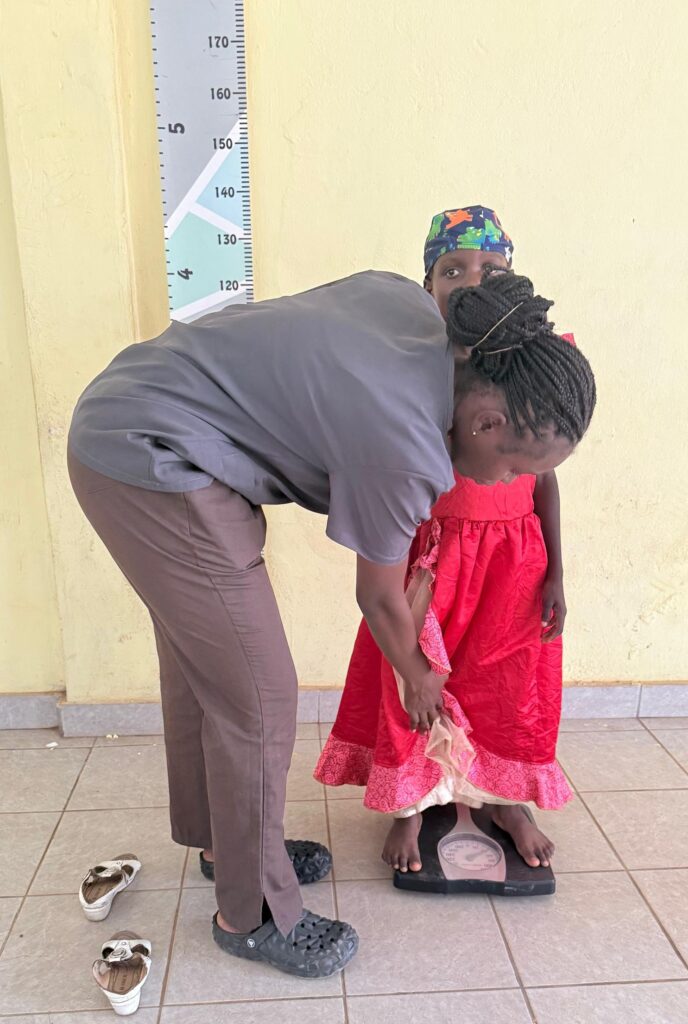
Beyond clinical care, 2025 was also a year of continued investment in women and children. Through a Comic Relief–funded initiative, HIRF strengthened three women-led organizations through training in governance, safeguarding, and financial management. As one participant reflected, “I feel more confident in my ability to identify and address safeguarding concerns.” We also continued our support for children and young people at St. Mary’s Interim Care Center, ensuring access to education, healthcare, nutrition, and protection.
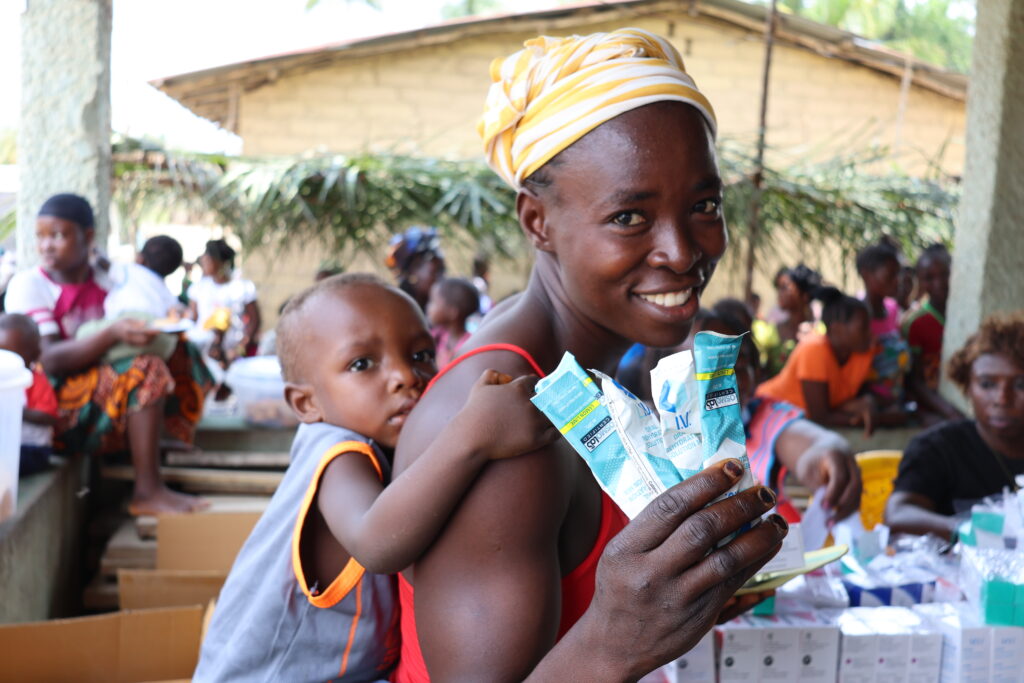
Underpinning all of this work was the scale and reach of our Gift-In-Kind program. More than 30 metric tons of essential medicines and supplies, valued at over $62 million, were distributed to approximately 55 health facilities across 13 districts, reinforcing access to care where it is needed most. These distributions supported patient care across a wide range of priority health needs, including more than 100,000 patient treatments in maternal health, such as care for post-partum hemorrhage and eclampsia, and nearly 122,000 treatments for infectious diseases. Support for chronic conditions expanded significantly, with over 61,000 treatments for hypertension, more than 18,000 for diabetes, nearly 5,500 for epilepsy, and approximately 16,000 patient treatments for sickle cell disease—underscoring HIRF’s growing emphasis on long-term, continuous care for chronic and neglected conditions.
What 2025 Taught Us
2025 reminded us that sustainable outcomes take time. The progress we saw this year did not emerge from single trainings, one‑off donations, or short-term interventions. It grew from years of steady investment, consistent partnership, and a commitment to strengthening systems. The most meaningful gains—whether in maternal health, chronic disease care, or facility readiness—were the result of work that has been building quietly and persistently over time.
The year also reinforced several truths that will guide us forward. Strong monitoring and evaluation is essential not only for accountability, but for learning and adaptation as health needs evolve. Chronic disease and mental health must be treated as core priorities, not peripheral concerns. And above all, local leadership remains the foundation of lasting change. When communities lead, outcomes endure. When systems are strengthened, progress continues long after any single project ends. These lessons will shape how we approach 2026 and the years ahead.
Our 2026 Key Priorities
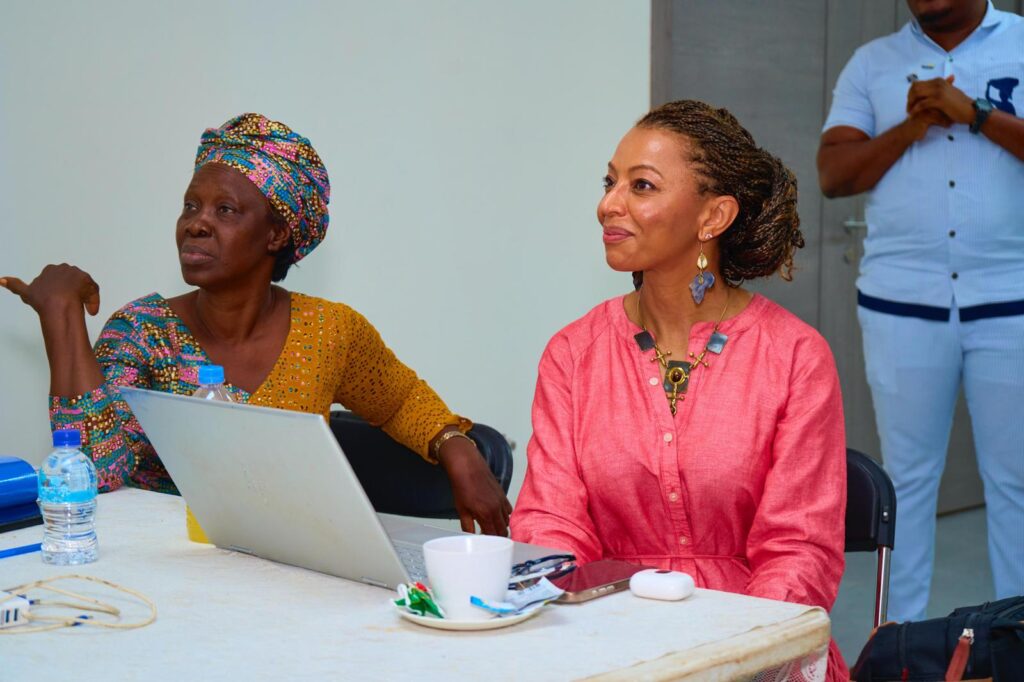
In 2026, HIRF will continue to strengthen maternal and newborn care through our 3rd Annual Maternal and Newborn Care Conference in the Tonkolili District in January, with a focused emphasis on core clinical competencies while introducing additional content responsive to evolving needs. The January 2026 conference will prioritize the continued development of master trainers, strengthening local teaching capacity and ensuring skills are reinforced, replicated, and sustained across facilities.
Noncommunicable disease care will enter a new phase in 2026, with HIRF’s selection as a pilot partner in the Noncommunicable Disease Initiative. The initiative will not only improve access to first-line treatment for hypertension and diabetes across Sierra Leone but will also strengthen the systems that support continuity of care, with a focus on improving supply chain coordination, inventory management, and distribution practices at partner facilities, alongside sustainability planning to ensure consistent availability of essential medicines over time.
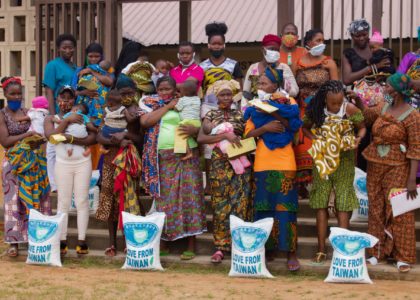
Nutrition and mental well-being will be integrated more intentionally into health systems work. New evaluation and needs assessments will guide rice and multigrain distributions for pregnant women, children, and vulnerable populations, while mental health and provider well-being will be embedded into training and program design.
The Path Forward
Reflecting on the year ahead, HIRF Executive Director Josephine Garnem noted, “As we move forward into 2026, we do so with clarity about what has been accomplished and conviction about what lies ahead. The work before us is complex and long-term, but it is grounded in strong partnerships, local leadership, and a commitment to building systems that endure. Together with communities across Sierra Leone, we remain focused on strengthening care, expanding opportunity, and advancing health and dignity for women, children, and families — today and for the years to come.”