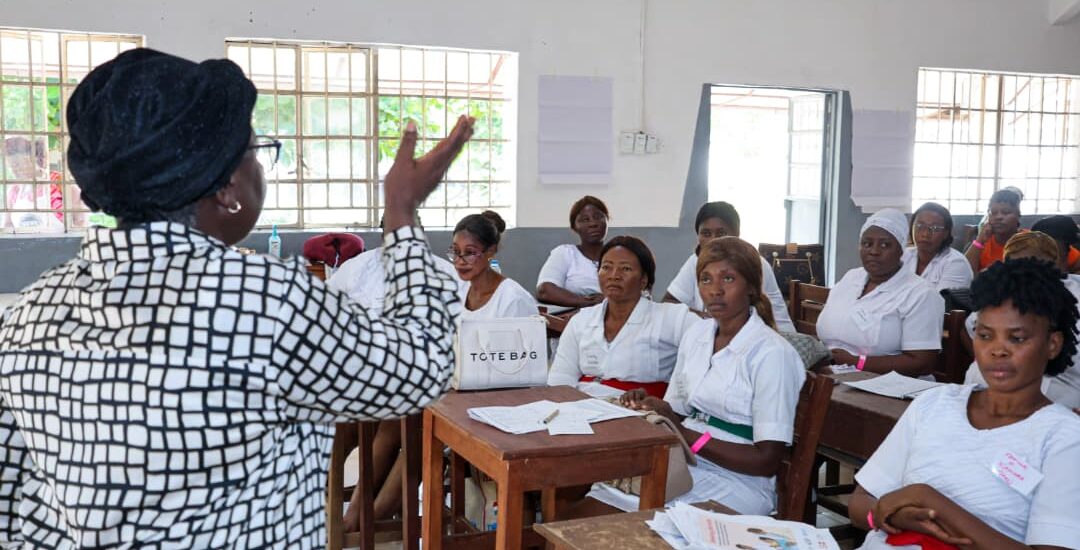
In January 2026, Healey International Relief Foundation and partners began the year by strengthening maternal and newborn care across Sierra Leone through a coordinated series of practical, frontline training centered on early detection, timely referral, and high-quality clinical care.
Focused Obstetric Ultrasound Training to Strengthen Early Risk Detection
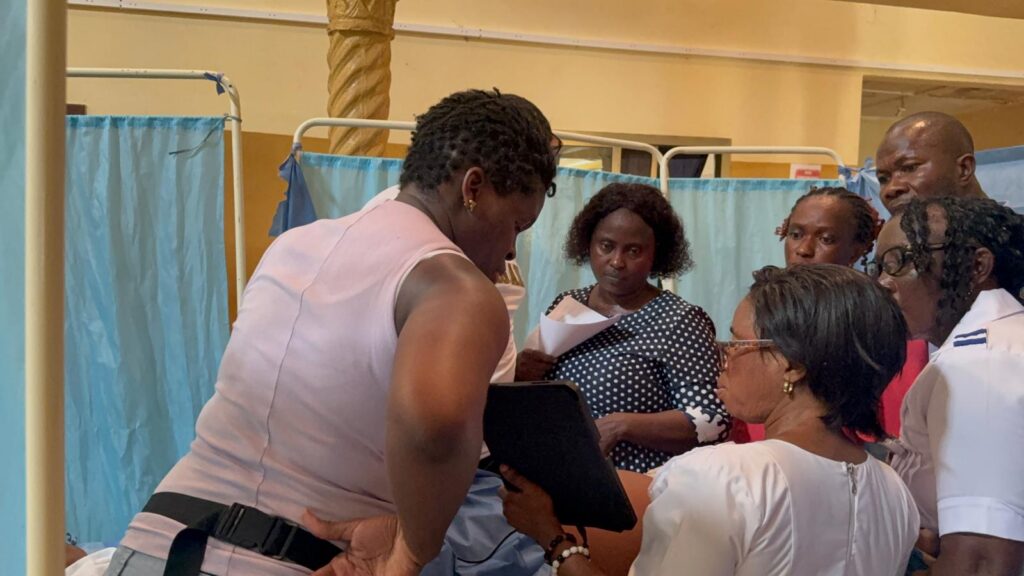
The month opened in Pujehun District with a four-day focused obstetric ultrasound training delivered by Tenki in partnership with Healey International Relief Foundation, in collaboration with the School of Nursing Bo, the Ministry of Health, and District Medical Teams. Sixteen midwives, Maternal and Child Health Aides, and Community Health Officers were trained to conduct point-of-care obstetric ultrasound, equipping them with the skills to identify high-risk conditions such as breech presentation, twin pregnancies, placenta previa, and signs of fetal distress.
Participating facilities received essential ultrasound equipment and solar-powered technology to ensure services could continue even in settings with limited electricity. This early diagnostic capacity strengthens clinical decision-making and referral pathways, helping providers act sooner to protect mothers and babies.
Maternal and Newborn Care Conference - Tonkolili District
Following this training from January 19-23, 2026, more than 60 midwives gathered at Magburaka Government Hospital in Tonkolili District for the third annual Maternal and Newborn Care Conference. Over the course of a week, they came together to learn, practice, and reflect on what it takes to provide safe, respectful care for mothers and newborns. This work lies at the heart of reducing maternal and newborn deaths in Sierra Leone.
Organized by Healey International Relief Foundation (HIRF), Helping Children Worldwide and Tenki for Born, with support from the Sierra Leone Ministry of Health, the conference focused on practical, high quality, hands-on learning that midwives can carry back to their facilities and use immediately in their daily work.
The conference was officially opened by Mr. Senesie Margao, Senior Staff at the Office of Chief Nursing and Midwifery Officer Director, GoSL MOH. In his remarks, he reminded participants that their work is deeply human, not just clinical, “Behind every visit to a health facility is a story—a mother seeking reassurance, a family hoping for a safe delivery, a child taking their first breath. Our work is not only about clinical procedures and guidelines; it is about compassion, dignity, and the human connection that gives people confidence in our health system.”

Life-Saving Skills Taught Through Evidence-Based, Hands-On Training
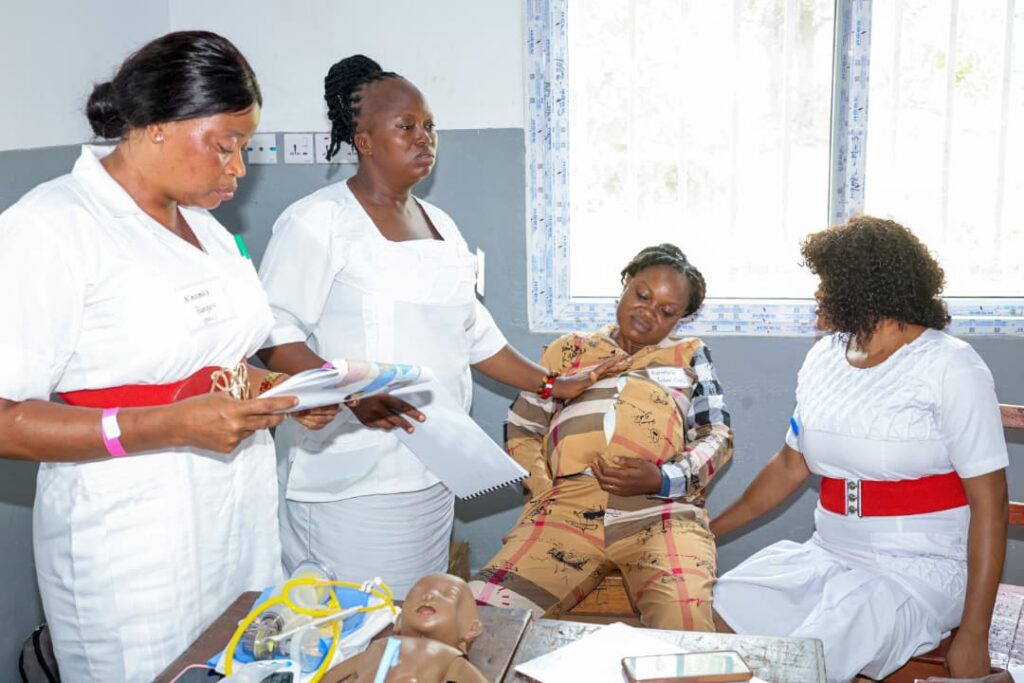
Throughout the week, participants learned and practiced life-saving skills using internationally recognized training approaches, including Helping Mothers Survive: Bleeding After Birth and Essential Newborn Care, which includes Helping Babies Breathe. Alongside these clinical sessions, the training also addressed respectful maternal care, perinatal and postpartum mental health, self-care practices and tools for healthcare providers—recognizing that quality care depends not only on skills, but also on mental health and wellbeing, trust, compassion, and support for those delivering care.
Learning was highly interactive, with midwives working in small groups, practicing skills through simulation, and sharing real-world experiences from their own facilities. This peer-to-peer approach fostered collaboration and problem-solving while building confidence, particularly for responding to emergencies in busy, resource-limited settings.
This Training of Trainers component was integrated into the conference to intentionally build local teaching capacity. Emerging facilitators from Bo and Kenema districts—previously identified at earlier conferences for their strong clinical skills and leadership—were invited to participate as rising trainers. Each was required to lead at least one training session during the conference and was formally observed and evaluated on facilitation and teaching skills. This approach strengthened their confidence as trainers while ensuring the quality of instruction, supporting the continued spread of skills and knowledge to additional facilities well beyond the conference.
Investing in the Wellbeing of Frontline Workers
The conference also created space to acknowledge the emotional demands placed on frontline health workers. Sessions on respectful care and mental health emphasized dignity, empathy, and communication, while guided breathing and simple self-care exercises offered practical ways for midwives to manage stress and prevent burnout.
The message was clear: caring for mothers and newborns also means caring for those who provide that care.

Participants shared a strong appreciation for the training, describing it as timely, practical, and especially meaningful for those attending for the first time. Representatives from Jhpiego, whose curricula formed the foundation of the training, attended and observed the sessions, noting the high level of engagement and commitment among participants.
The Impact of Training
Reflecting on this sustained, long-term approach to building impact, HIRF Executive Director Josephine Garnem stated, “This is our third Maternal and Newborn Care Conference, and each year it grows stronger in both reach and relevance. We are now seeing meaningful results across the districts where our trainings have taken place—stronger clinical practices, greater confidence among midwives, and improved readiness to care for mothers and newborns. This progress reinforces a powerful truth: lasting change happens when we invest consistently in people, in their skills, and in the leadership rooted within our communities.”