How HIRF's local partnerships in Sierra Leone empower women, strengthen health systems, and respond to crisis
As another year draws to a close, many of us find ourselves looking back at not only what was achieved, but at the moments that shaped us, the people who walked beside us, and the lessons that changed how we move forward. For more than two decades local partnerships have been at the core of our mission. We have sought to listen with our hearts so that our work is rooted in true partnership. As Stephen Covey writes in The 7 Habits of Highly Effective People, “Most people do not listen with the intent to understand; they listen with the intent to reply.” In a country that has faced civil war, epidemics, and natural disasters, listening to understand is more than a principle; it is the foundation of building trust and lasting partnerships. At HIRF, we want to understand and to collaborate on solutions together with our local partners to create lasting change.
Women Leading Change
One of our earliest initiatives was done in partnership with Caritas Freetown and was the Fatima House of Light, located in the Kline Town area of Freetown. This vocational training project offered women impacted by the civil war an opportunity to reclaim their futures. There, they studied and became hairdressers, tailors, administrative staff, and automobile mechanics. It was more than skills training; it was a chance for women to reclaim their futures with dignity and confidence.
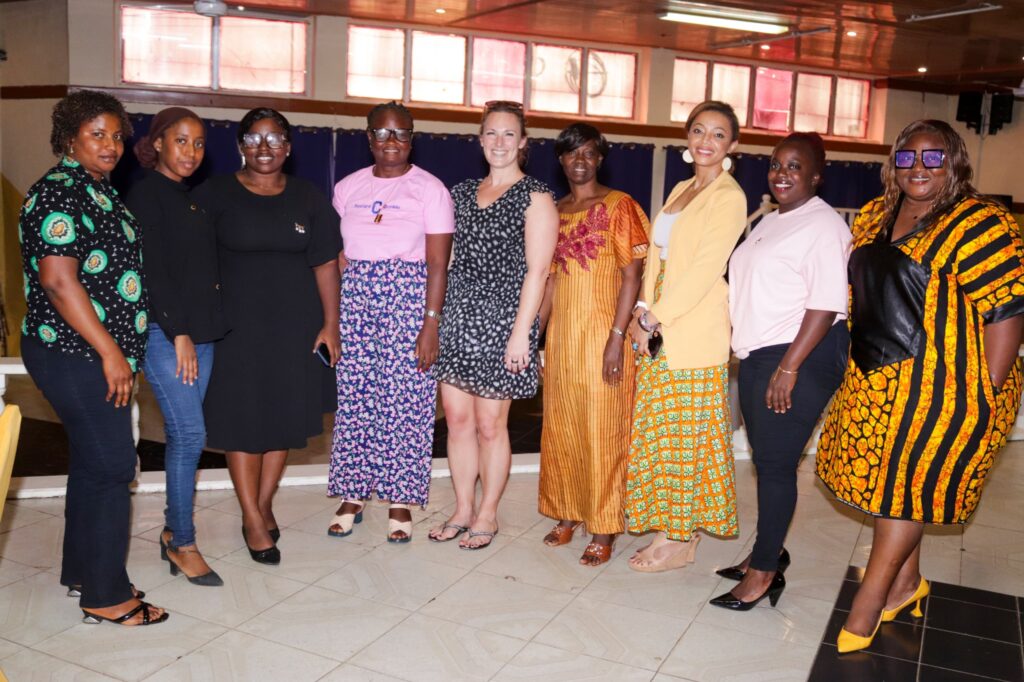
What began with Fatima House of Light more than 20 years ago continues today through programs that support female farmers, improve women’s health, and promote women’s leadership in community development. Our collaboration with Uman Tok, Every Woman Sierra Leone, and Berny’s Hope–three inspiring, women-led organizations—is helping strengthen their ability to lead change in their communities. Together, we’re building essential skills in financial management, business development, compliance, monitoring and evaluation, safeguarding, and advocacy. With funding from Comic Relief (UK), this project is set to make a lasting impact by empowering local solutions to local challenges.
Building Stronger Health Systems Together
HIRF’s commitment to strengthening healthcare in Sierra Leone began with a partnership in Newton—a community that became a refuge for thousands displaced during the civil war. In response to urgent needs, HIRF established the St. Stephen’s Amputee Clinic, offering essential medical care and vocational training to help amputees rebuild their lives and support their families.
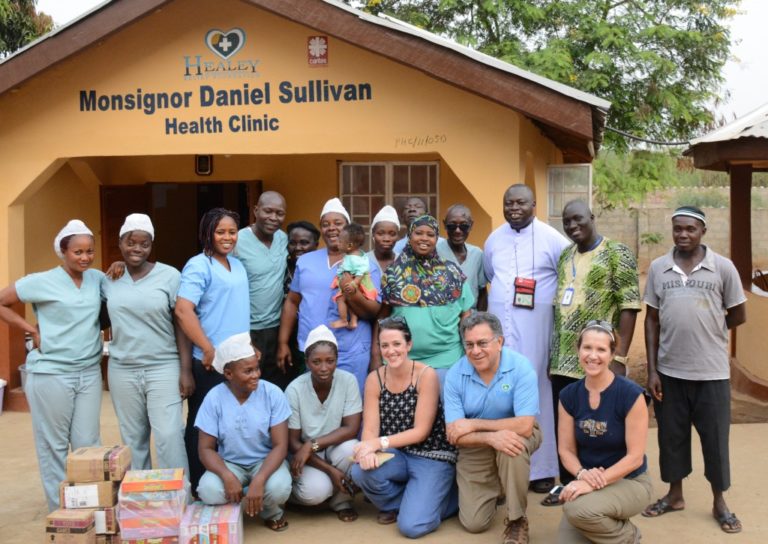
As Newton grew, the need for expanded health services became increasingly clear. Through a series of listening sessions with community members, HIRF learned that access to maternal care and broader clinical support was a priority. Guided by these community voices and in collaboration with Caritas Freetown, HIRF responded by constructing and supporting the
Monsignor Daniel Sullivan Clinic, which opened its doors in 2015. Now the clinic is a cornerstone of health services in Newton, serving a catchment area of over 10,000 people. In 2024 alone, it recorded nearly 7,000 outpatient visits and 237 safe deliveries, a testament to the power of local partnerships and community-led solutions.
Today, these early efforts have expanded into support for over 30 facilities across Sierra Leone. Through our gift-in-kind program, we collaborate closely with each facility to identify the specific medicines and supplies most needed by their communities. A consistent priority has been nutritional support for pregnant women and young children. To address this need, HIRF partnered with Vitamin Angels to receive an annual supply of prenatal vitamins, Vitamin A, and albendazole. Each year, more than 25,500 pregnant women receive prenatal vitamins, 54,500 children under five are treated with albendazole, and 95,000 doses of Vitamin A are distributed through our supported facilities. Adama, who received prenatal multivitamins shared, “After taking the multivitamin I felt healthier and was able to eat well and maintain good health throughout my pregnancy.”
HIRF’s expansion into capacity building began when our in-country Health Administrator, Sister Josephine Amara, emphasized that lasting improvements in health systems depend on well-trained local staff and that there were gaps that needed to be filled. Quality improvement, rational use of medicines, and data training were among the early training that we supported through our partnership with Caritas Freetown and the Christian Health Association of Sierra Leone.
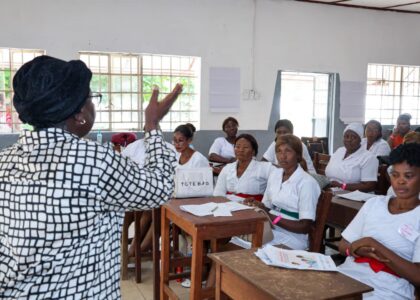
Now we are proud to be part of a nationwide collaboration with Helping Children Worldwide and other like-minded NGOs to support maternal and newborn health training in key districts with high maternal and newborn mortality rates. In January 2024, the first Maternal and Newborn Health Conference was held in Bo, where over 90 midwives and healthcare professionals received essential training to improve their knowledge and skills in handling lifesaving procedures. One participant, Juliana, remarked, “This training not only helped improve our capacity but is going to help change our attitude to our pregnant women.” A second conference followed in Kenema in 2025, reaching an additional 50 nurses and midwives, along with refresher sessions for 25 participants from both districts.
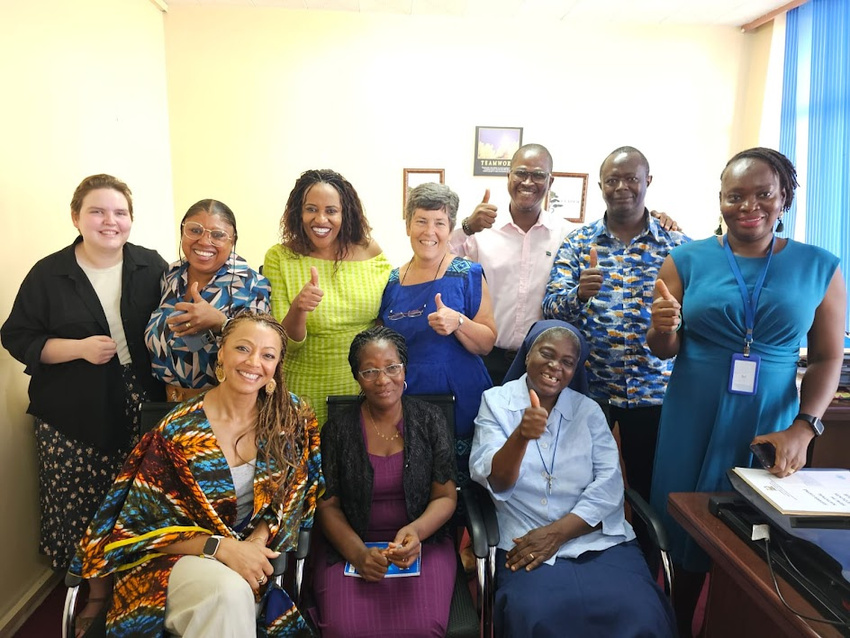
In 2026, a third conference is planned for Tonkolili District, where another 50 healthcare workers will be trained—furthering the mission to build resilient, stakeholder-informed health systems. From Bo in 2024, to Kenema in 2025, and now Tonkolili in 2026, these conferences are building a cadre of skilled midwives and nurses across Sierra Leone.
Responding to Crisis, Fostering Unity
Sierra Leone has endured a series of devastating crises, including catastrophic mudslides, relentless seasonal flooding, and the Ebola pandemic that placed immense strain on its systems and deeply impacted communities. During the Ebola outbreak, HIRF provided food and medical supplies, sanitation items, and support for community engagement and training. From that effort emerged a partnership with the Buddhist Tzu Chi Foundation which, together with Caritas Freetown and the Bo-based Lanyi Foundation, led to the creation of Partnering to Serve Humanity.
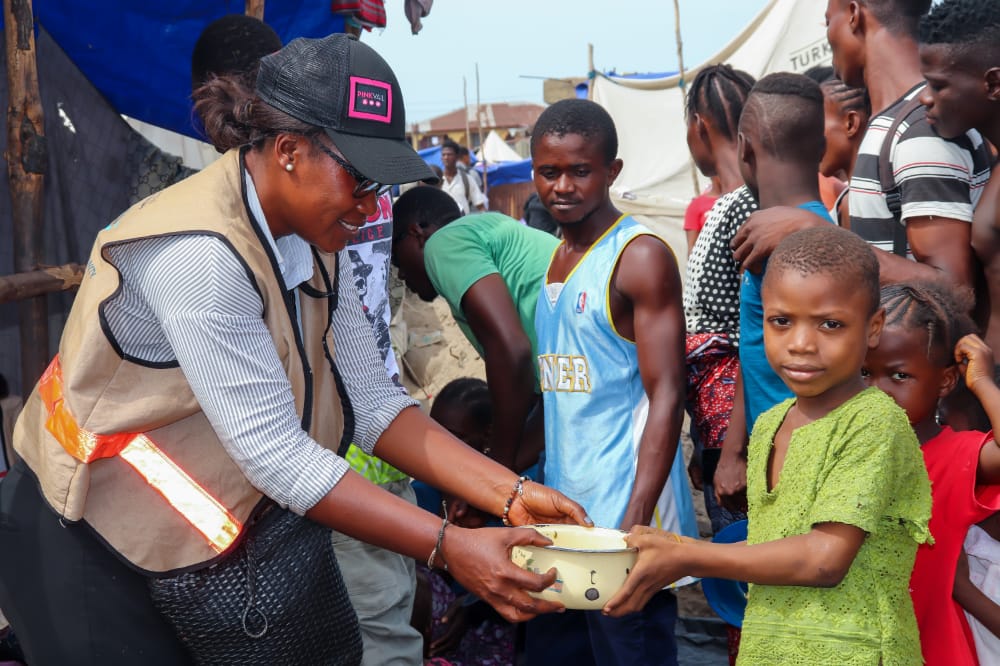
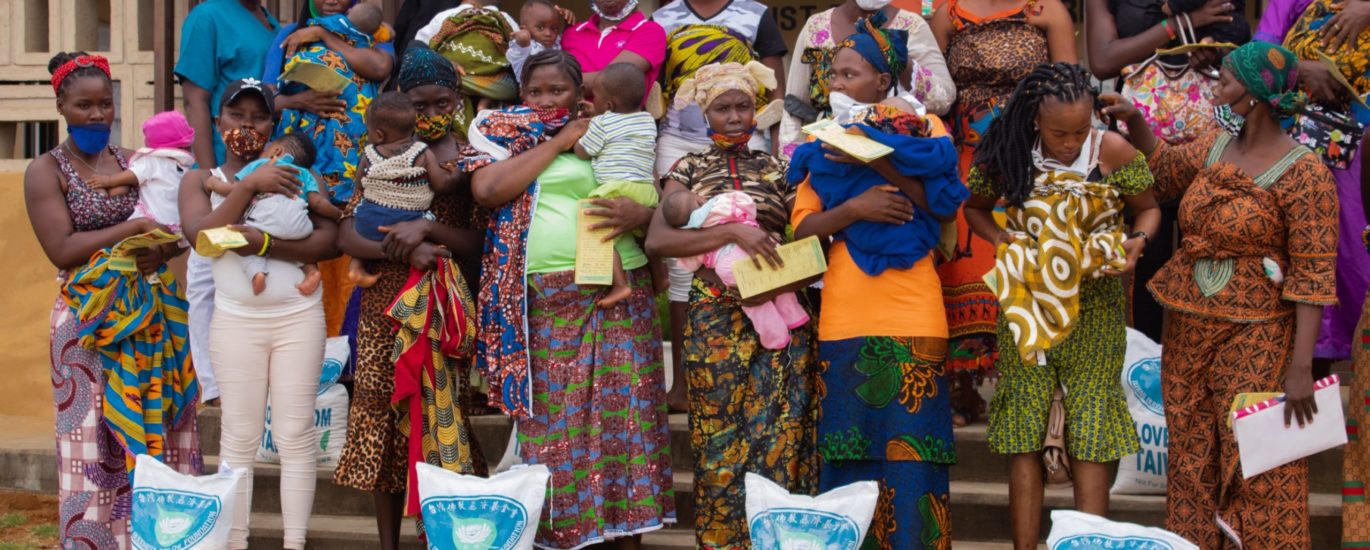
Through Partnering to Serve Humanity, we respond swiftly to emergencies such as natural disasters and disease outbreaks, delivering immediate relief in the form of food, shelter, and medical supplies, while mobilizing response teams to stand with communities in their most vulnerable moments. Beyond emergency response, the partnership also fosters long-term healing and solidarity. Together, we support Ebola survivors through annual rice distributions and a unique interfaith gathering each December. This event reflects Sierra Leone’s remarkable tradition of religious tolerance, bringing together faith leaders who speak on the power of unity and collaboration for the common good. Each year, more than 3,000 vulnerable people receive rice through this initiative, a tangible expression of solidarity and shared commitment.
Looking Forward With Gratitude and Purpose
At HIRF, we believe lasting change begins with listening—to communities, to local leaders, and to the needs voiced on the ground. As Josephine Garnem, HIRF Executive Director, notes, “For over two decades, listening has guided HIRF’s work in Sierra Leone. As we look ahead, we remain committed to walking alongside communities—empowering women, strengthening health systems, and fostering unity—because lasting change is only possible when we build it together.”